


Christmas has always been my favorite time of the year, and if you’ve ever spent the holidays in the Philippines, you probably get why. People love saying we have the longest Christmas season—and honestly, it’s true. The moment the ber months arrive, a soft hum of holiday spirit begins, growing louder as December 25th draws near.
We might not have snow, but the breeze turns cooler, the nights stretch longer, and Jose Mari Chan’s classic Christmas songs start playing everywhere. Before you know it, TV networks are counting down 100 days to Christmas, bibingka and puto bumbong stalls start appearing on street corners, and colorful decorations take over homes, streets, stores, and cities alike.
The world celebrates in countless different ways, but there’s only one true heart of Christmas: the celebration of the birth of our savior Jesus Christ. In the Philippines, where the majority of people are Christian or Catholic, this story becomes the thread that connects all our customs, traditions, and festivities. It’s what makes our long, joyful Christmas season feel meaningful and something we always look forward to every year.
The Nativity Scene
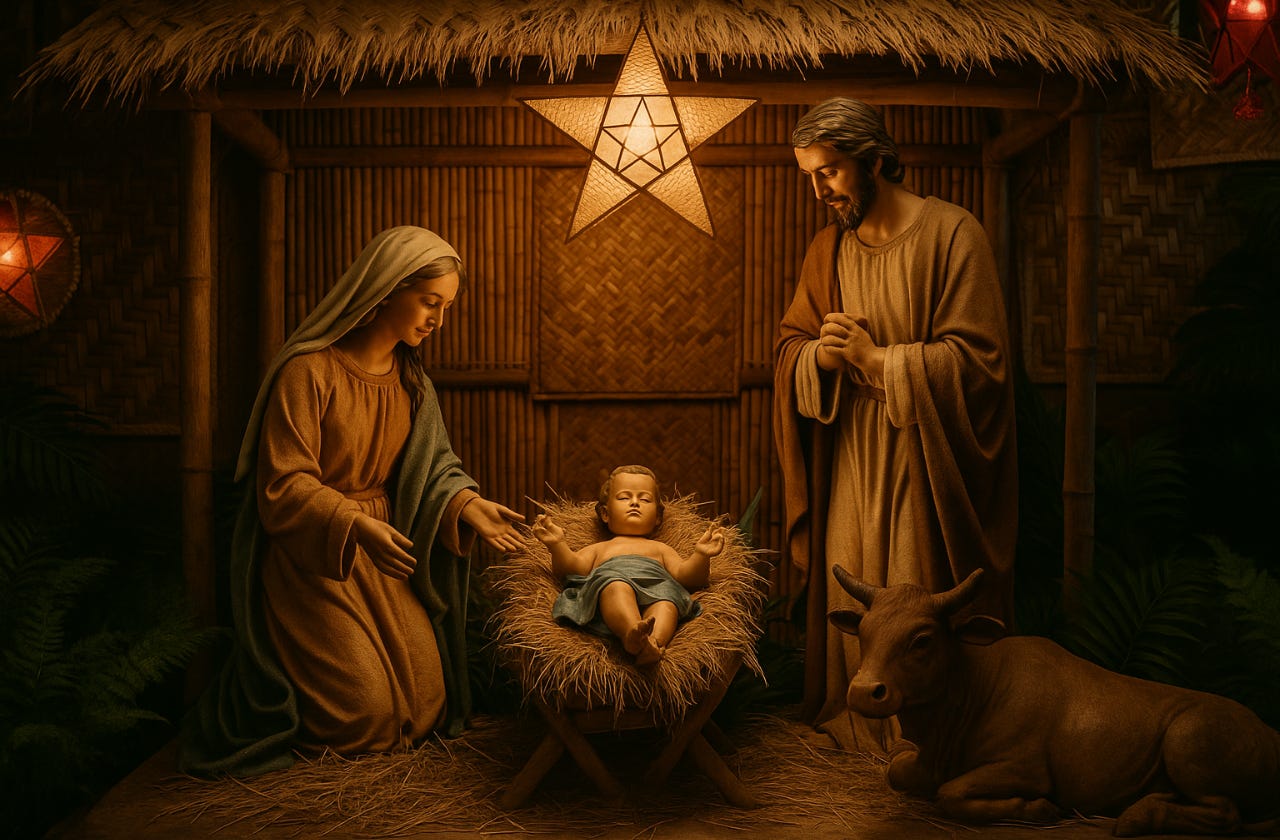
The birth of Jesus has been preserved in art for centuries through a diorama of the Nativity scene, commonly known in the Philippines as the “Belen.” The name comes from the Spanish word for Bethlehem, the birthplace of Jesus.
As depicted in the Bible specifically in the pages of Luke and Matthew, the Nativity scene is described with the Holy Family at the center. Mary and Joseph gathered around the Infant Jesus in a manger, shepherds watching over with their flock, and the Three Magi (also called as the Three Kings) bringing their gifts.
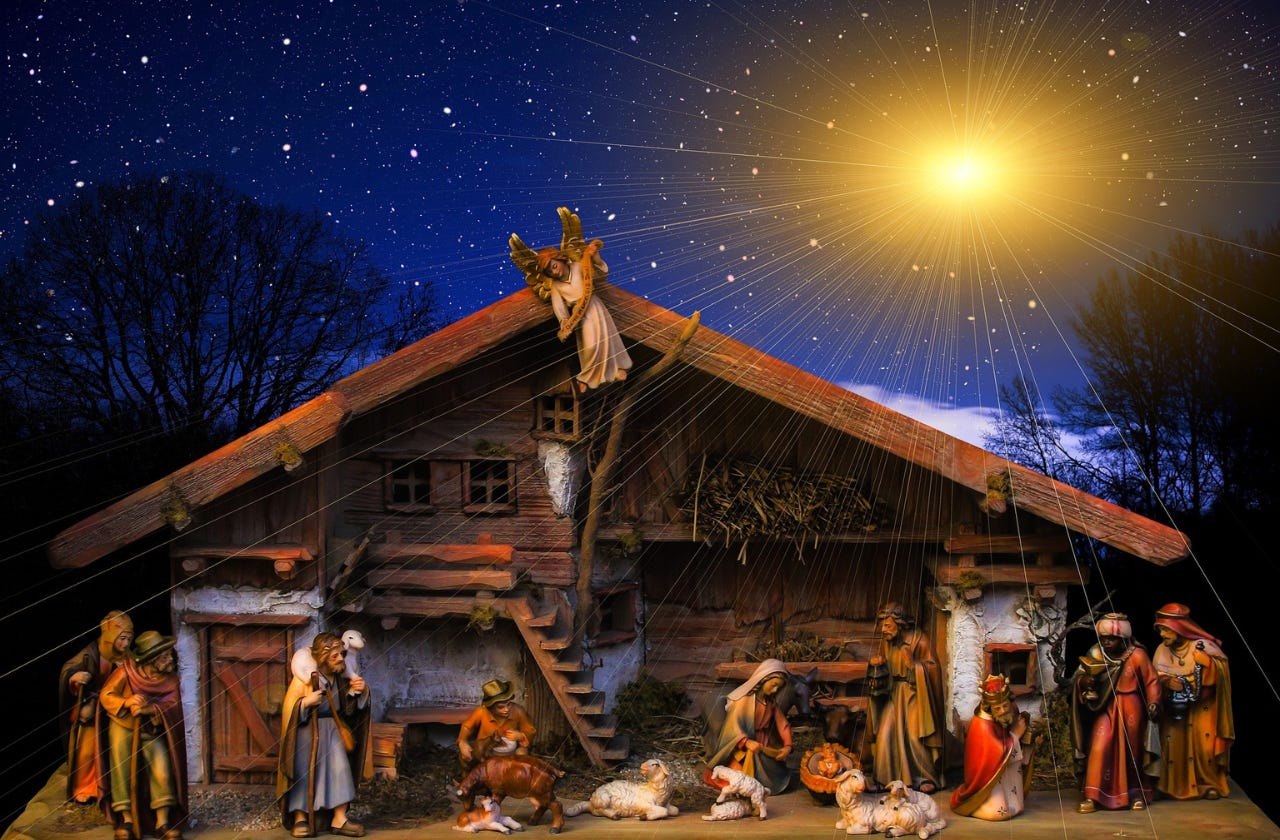
In some exhibits, an angel is also placed, sometimes carrying the banner with the lyrics “Gloria in Excelsis Deo” and the Star of Bethlehem shining brightly above all the figures.
While the tradition of the Belen began in Italy, the Filipinos deeply embraced it after it was introduced by Spanish Franciscans during the colonial period. The missionaries used the Nativity scene as a tangible way to spread the religious message. And to this day, the message still remains the same: Jesus was born in humility, in a lowly manger, out of pure love to save us. That is the heart of why the world—especially the Philippines—celebrates Christmas.
Devotion on Display
Being one of the symbols of Christmas, the Belen has naturally taken on the distinct Filipino touch, just like anything we’ve adapted in our culture. One such practice that I grew up with witnessing every year is the quiet anticipation of waiting for the Infant Jesus. In our church, the manger stays empty until the Christmas Eve Mass when the image of the Infant Jesus is finally placed in the manger of the Nativity scene to symbolize His birth.
Another tradition happens after mass when the image of the Infant Jesus is taken out of the Belen and carried among parishioners. Everyone, young and old, would line up with the crowd to kiss the feet of the figure as an act of veneration and adoration. In some parishes, the image of the Virgin Mary, together with the Infant, is also brought down from the altar for the faithful to honor on Christmas Eve.
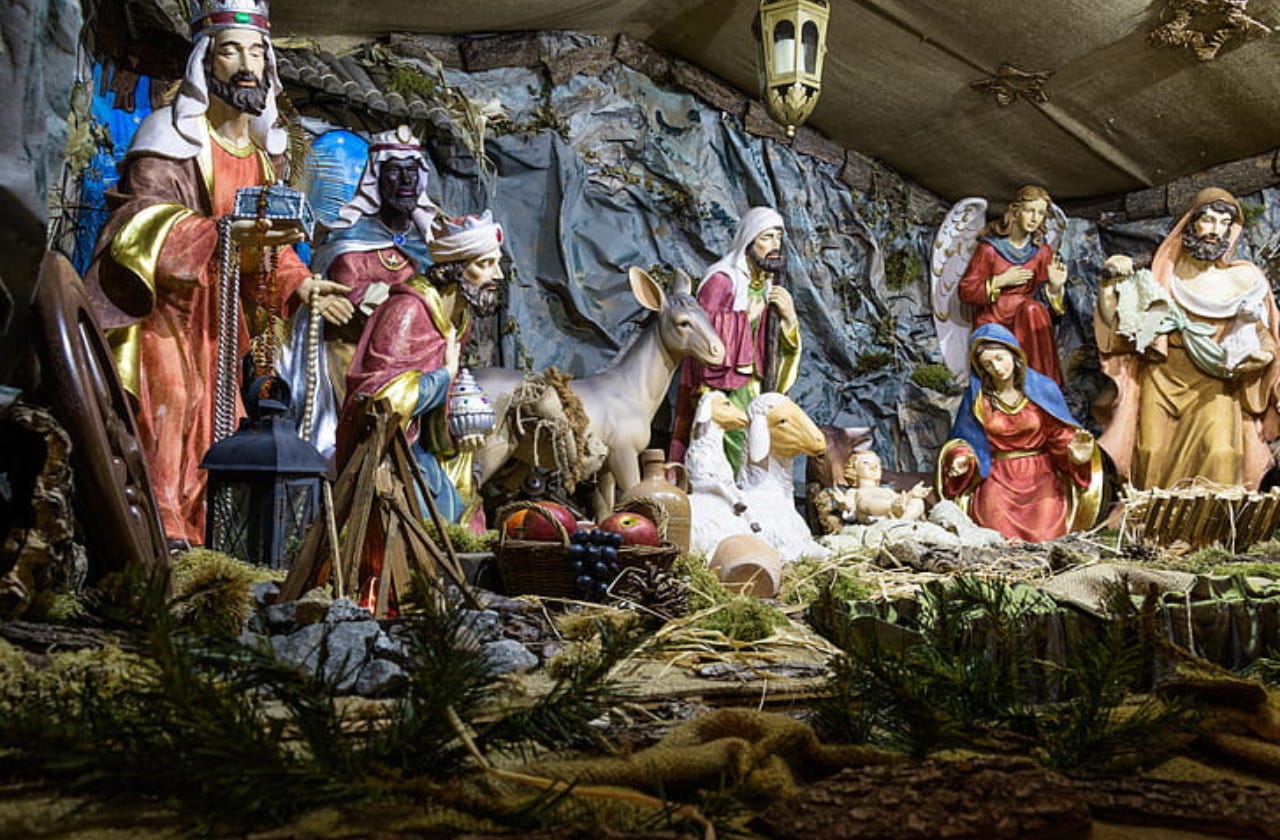
Some communities now have added a new element to this practice. A Gospel book is placed in the manger before the Baby Jesus is enthroned, and during the singing of “Gloria in Excelsis Deo” or “Papuri sa Diyos,” the image of the Holy Infant is placed in the Belen, imitating the angels’ announcement to the shepherds.
Lastly, there are parishes that bring the image of the Infant to the homes within their jurisdiction. Carried by altar servers and accompanied by priests, the visit gives families a chance to venerate and adore the Holy Infant in the comfort of their own homes—a heartfelt reminder of Christ’s presence in every household.
The Filipino’s Artistry and Variations
Like many traditions Filipinos have adapted through the years, the Belen is no exception to our creative and artistic touch. Across generations and regions, we’ve developed our own practices—some deeply religious, while others beautifully cultural—all helping the Nativity scene reach every corner of the country and keep the heart of Christmas beating year after year.
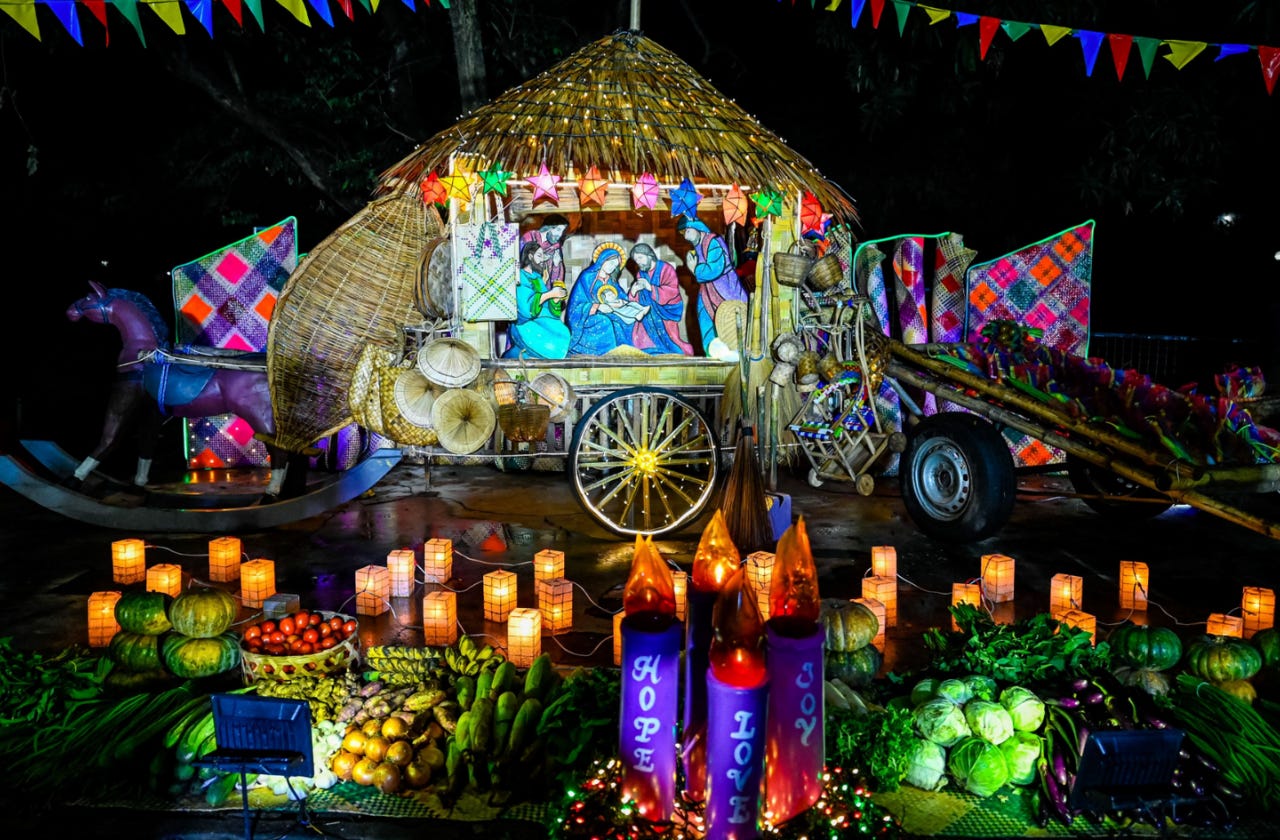
Filipino hands can transform the Belen into almost anything. It can be styled, dressed, and arranged in countless creative ways and different sizes as a reflection of our faith, creativity, and local identity. Of course, there is the classic version of churches we all know and love: the Holy Family inside a humble stable, surrounded by shepherds, angels, and the Three Kings which usually are made from resin or porcelain. But in many communities, the Belen is handmade from wood, clay, coconut shells, capiz, or recycled materials by local artisans or even regular people.
Some Filipino traditions take things a step further and literally bring the Nativity scene to life. In an article, Valenzuela City’s Panunuluyan features real people (and sometimes even live animals!) playing the journey of Mary and Joseph before Christmas for big audiences. The play culminates on Christmas Eve when the image of the Infant Jesus is offered to the priest during mass before being placed in the Belen.
Pampanga also shines with its own tradition inspired by Spain’s Las Jornaditas. In Sta. Rita and Guagua, parishes would stage 10 different tableaux narrating the Nativity story, each based on the 10 Gospel readings of the modern Misas de Aguinaldo or “Simbang Gabi” locally known as “Simbang Bengi” in Kapampangan.
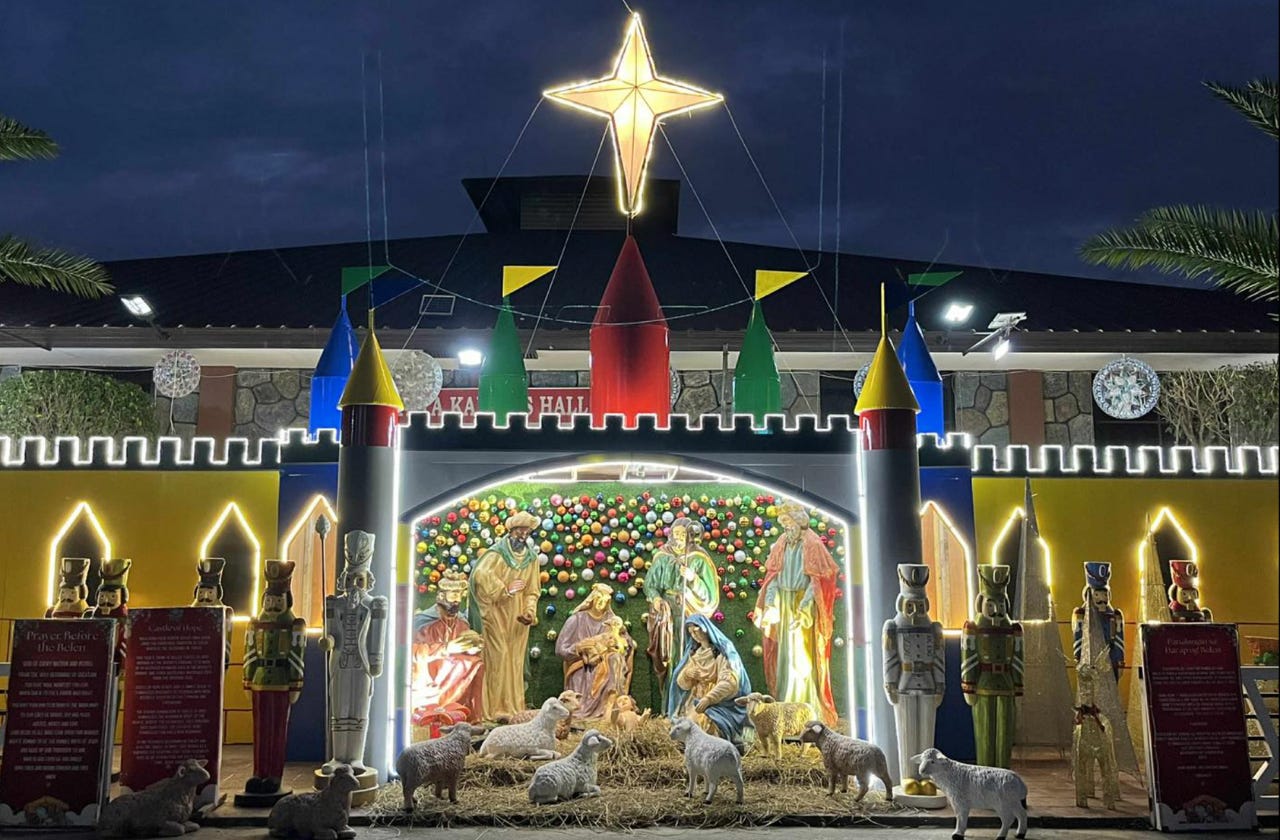
Fun Fact: Tarlac is dubbed as the Belen Capital of the Philippines thanks to their annual competition, Belenismo sa Tarlac. Locals celebrate the event by crafting elaborate life-sized Belens made from local and recycled materials to be displayed throughout the province.
Towns, cities, and organizations are all welcome to participate, turning Tarlac into a great holiday tourist attraction. What began as a celebration of devotion and creativity has grown into a major holiday attraction, drawing visitors and boosting the local economy during the Christmas season.
A Symbol that Outlives Trends
The Belen in the Philippines today is the perfect mix of tradition and innovation. Even with all the holiday, with its fast-paced energy and endless preparations, the Belen stands as a gentle reminder to pause, reflect, and find comfort.
Families now personalize their own Belen using minimalist pieces, eco-friendly or recycled materials while parishes go all out with life-sized elaborate displays. But with the rise of technology, this tradition is naturally reshaped. Some parishes and organizations use lights, motion sensors, LED backdrops, and other modern touches to bring the story of the Nativity to life more than ever (this time figuratively).
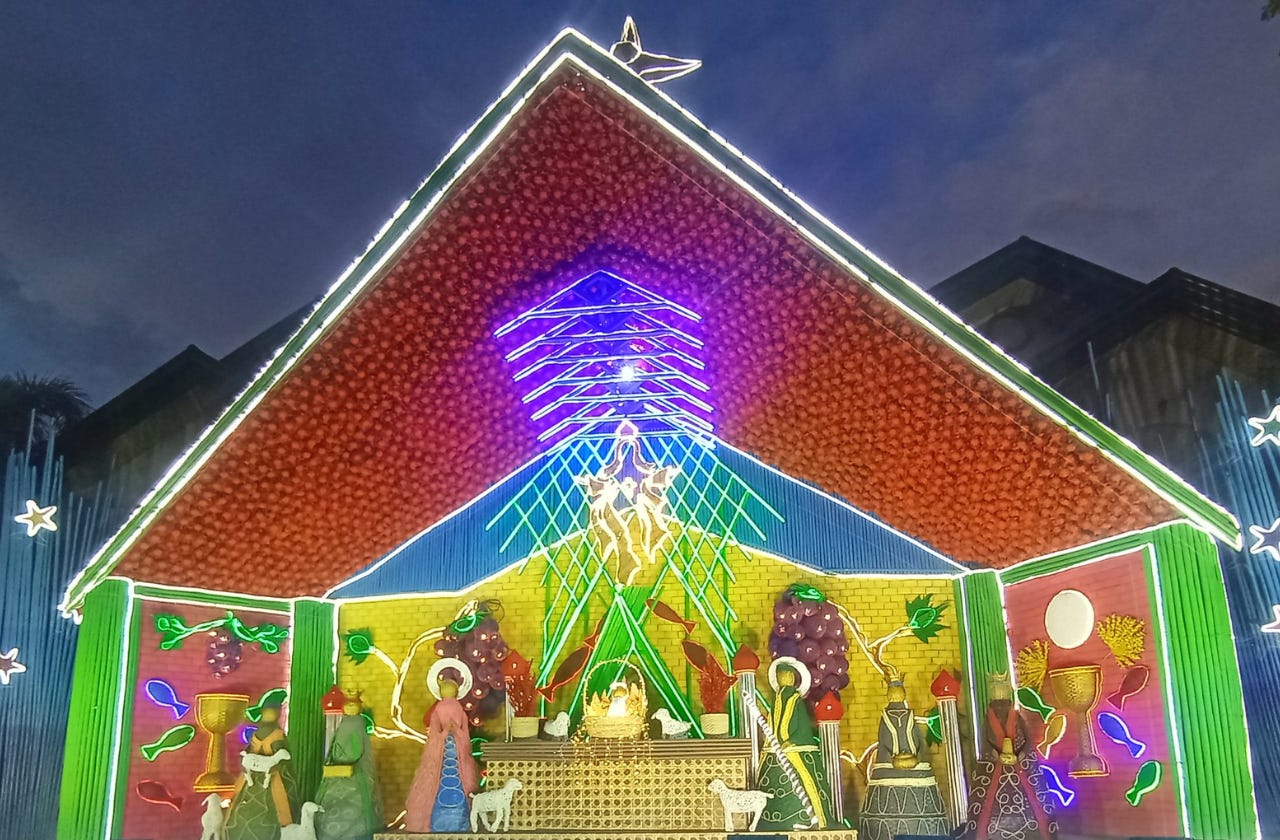
Social media plays its part too, with Facebook and Instagram serving as platforms to share photos, videos, and unique Belen designs, inspiring others and turning Nativity scenes into a shared story that reaches more people each year.
Christmas has always been my favorite time of the year. I love the spirit of giving and sharing, the way my family comes together to celebrate, and the joy of cooking for Noche Buena. I love how the soft hum of the ber months slowly builds into a full holiday rhythm filling the air with Christmas songs.
I love the twinkling lights and festive decorations, but whenever I see a display of the Holy Family, I fall silent in gratitude. In that quiet moment, I’m reminded of the true reason for the season—and I fall in love with it all over again.
Conclusion
For Filipinos, the Belen isn’t just another Christmas decoration; it’s a quiet altar of devotion that reflects our faith. During holidays, it invites us to whisper our prayers before leaving for Simbang Gabi, pause in gratitude after a long day, or share the story of our Savior’s birth and purpose with others. And in a season filled with bright lights and merry noises, the Belen—whether simple, extravagant, traditional, or modern—still tells the same timeless story of humility, hope, and peace.