


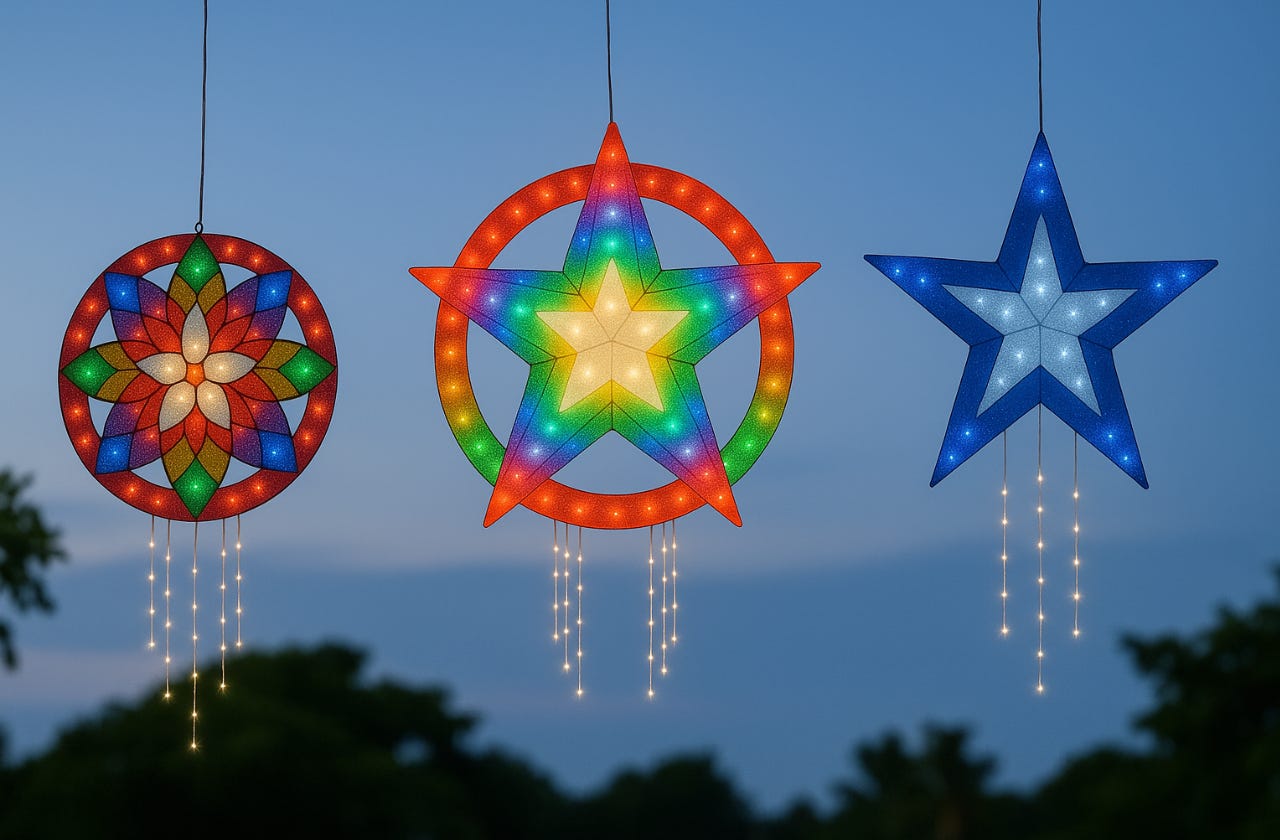
The parol is arguably the most well known symbol when it comes to Christmas in the Philippines. This lantern is probably the single most prominent symbol that makes a Filipino Christmas unique amongst the various Christmas traditions worldwide.
It’s the most visible sign that the Christmas season has arrived as they begin to show up in public spaces in the famous “Ber” months, and these colorful lanterns are used as decoration for the houses, the plazas, the commercial areas, and the streets all around the archipelago.
Go to any Filipino household during the Christmas season and you are bound to see a parol or a few hanging outside the house, and for the devout, it represents the Star of Bethlehem.
Components
A more traditional version of the parol is made of bamboo and papel de japon, and is illuminated with candles, oil lamps, and carbide lamps. More modern versions use capiz shells and plastic and are lit up with electric lighting to give off brighter colors. The city of San Fernando in Pampanga makes a special version known as “parul sampernandu”, large disc-shaped electric versions of the lantern.
Various switches and LED bulbs are used to light up the current version of parols. Capiz shells are cut to precision to make and are tinted like stained glass to create the colored pieces that create the final product.
Origins
The parol’s most recognized shape is the five-pointed star. This iconic shape only took place around the turn of the century, with the parol undergoing other forms in earlier days. While the origins of the parol are murky, the tradition of the parol can be traced back to at least the 19th century during the late Spanish period. Lantern traditions however, date to pre-colonial times in Southeast Asia, as there are words for lantern in local languages, such as “paritaan” in Tagalog.
Early parols were much simpler during the Spanish era, typically made with rectangular and oblong shapes. They were illuminated by candles or coconut oil lamps. The shapes of the parols began to diversify around the 1830s, including intricate designs made by papercutting.
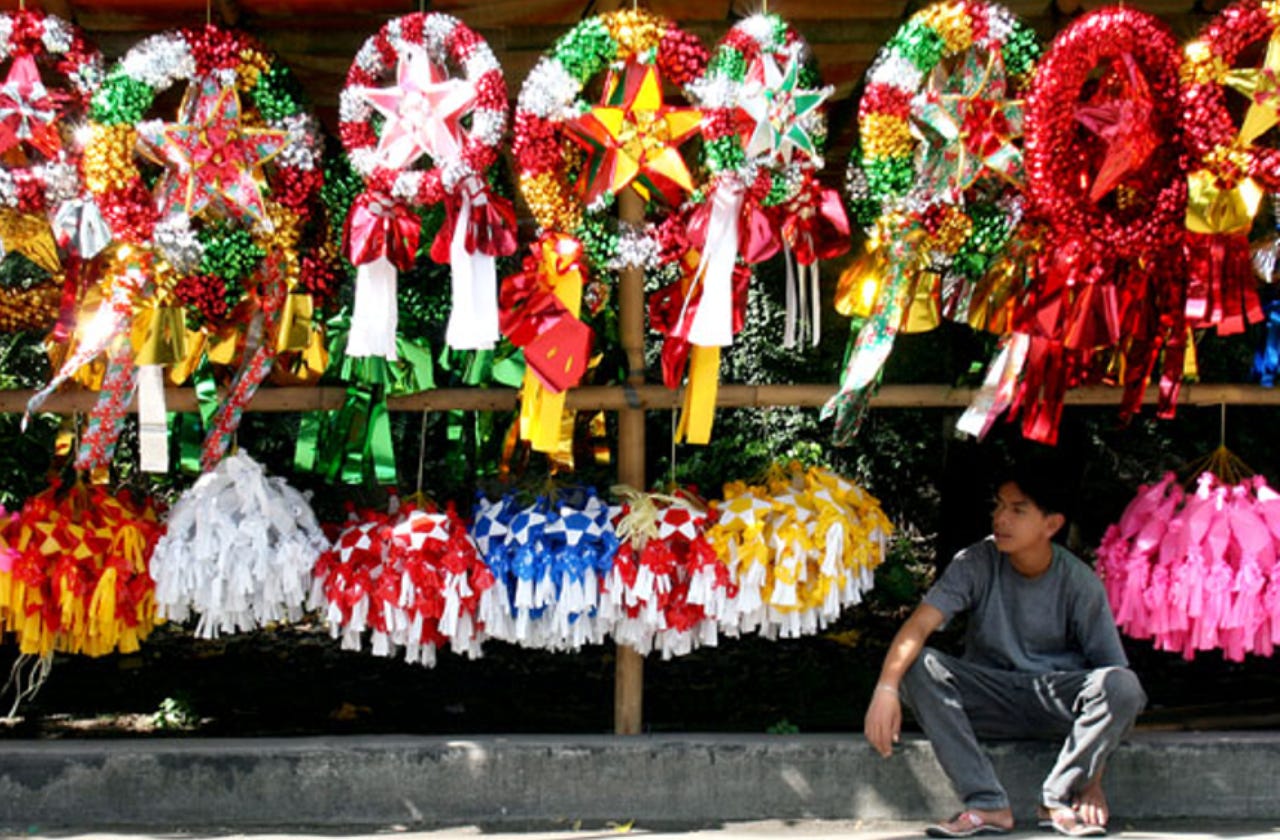
It was also around this time that these more ornate lanterns were used in Pampanga, in a procession known as Lubenas, In this unique tradition, the lanterns used in Novena processions. Some of the shapes that lubenas take on include a cross, the “asan” or fish, and the star-shape.
Local tradition recounts how a local artisan named Francisco Estanislao from Pampanga created the iconic five-pointed star shape for the parol in 1908, made of papel de japon, bamboo strips, and illuminated with candles. In later iterations, incandescent bulbs were used to light the lanterns. Parols began to incorporate rotor systems which became the template for commercial electric parols from the 1960s onward.
Their Role in Christmas
The parol has historically and is still associated with Simbang Gabi, as parol have traditionally been used to light the way to masses held at the churches. The parol can also be used in novena processions, as it’s a traditional part of the Panunuluyan pageant.
The lanterns followed the dramatization of the journey of Joseph and Mary to seek shelter. The parol lanterns are kept for the Christmas season and are kept until Epiphany, the day that commemorates the Three Kings visit.
Communities and towns around the country hold contests on who can create the best parol, and there are even some local festivals that celebrate parol artistry. The Giant Lantern Festival in Pampanga is one of the most famous parol festivals in the country.
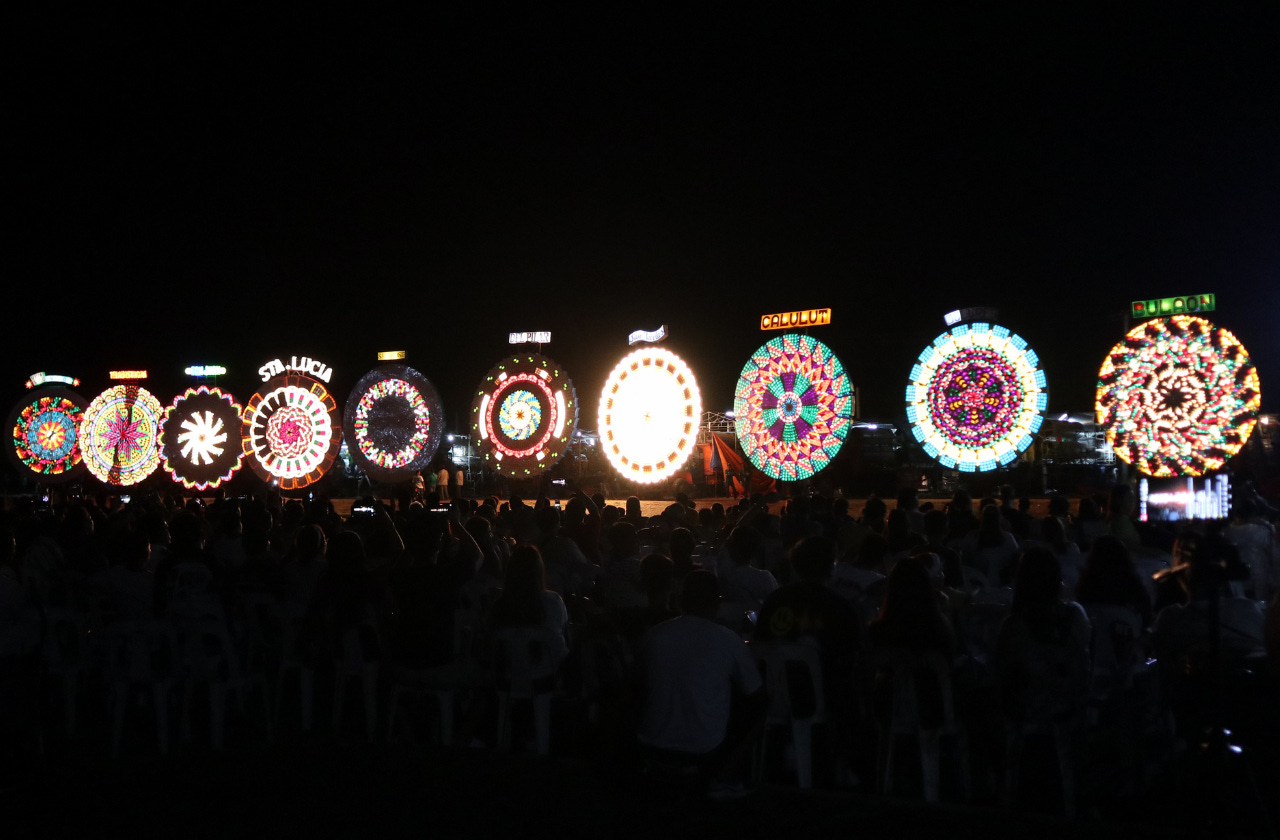
This festival has made the city of San Fernando earn the nickname as the “Christmas Capital of the Philippines” for the distinct giant parols on display during the festivities. The event runs for the second half of December and ends around the New Year. The event is also a competition on the best parol design, and a winner is selected every year.
The parol’s significance extends to the extensive diaspora community. Where Filipinos go and live, they bring the parol with them. The cultural significance of the parol has even extended to the Vienna Christmas Market, where the parol lanterns on the “Philippine Tree” are an attraction. San Francisco even has a Parol Festival in December.
CONCLUSION
More than a festive ornament, the parol is a glowing expression of Filipino faith, creativity, and community. From humble bamboo-and-paper lanterns to grand electric masterpieces, it has evolved alongside the nation while remaining deeply rooted in tradition.
Whether lighting the way to Simbang Gabi, adorning homes and streets, or shining proudly in Filipino communities around the world, the parol continues to embody the warmth, hope, and shared spirit that make Christmas in the Philippines truly one of a kind.
https://tinyurl.com/parul-1
x-
4. PARUL (San Fernando)
The lantern industry owes its popularity to San Fernando lantern maker pioneers who evolved the parul from the simple wooden and paper star lanterns for the “lubenas” (procession) to the giant kaleidoscopic lanterns that the world marvels at, every December’s Giant Lantern Festival. The advent of electricity gave rise to the invention of the rotor by Rodolfo David; which is used to give the lanterns their amazing play of colors. Well-known parol makers include the Quiwas (led by Ernesto David Quiwa), Rolando Quiambao, Arnel Flores, and Jesus Maglalang. The Christmas capital of the Philippines has parul stores all over the city still selling traditional lanterns. The Dau Expressway exit is line with lantern stores, hawking paruls of all sorts—capiz, LED-lit, wire and plastic, and even “rope” lanterns.
-x