


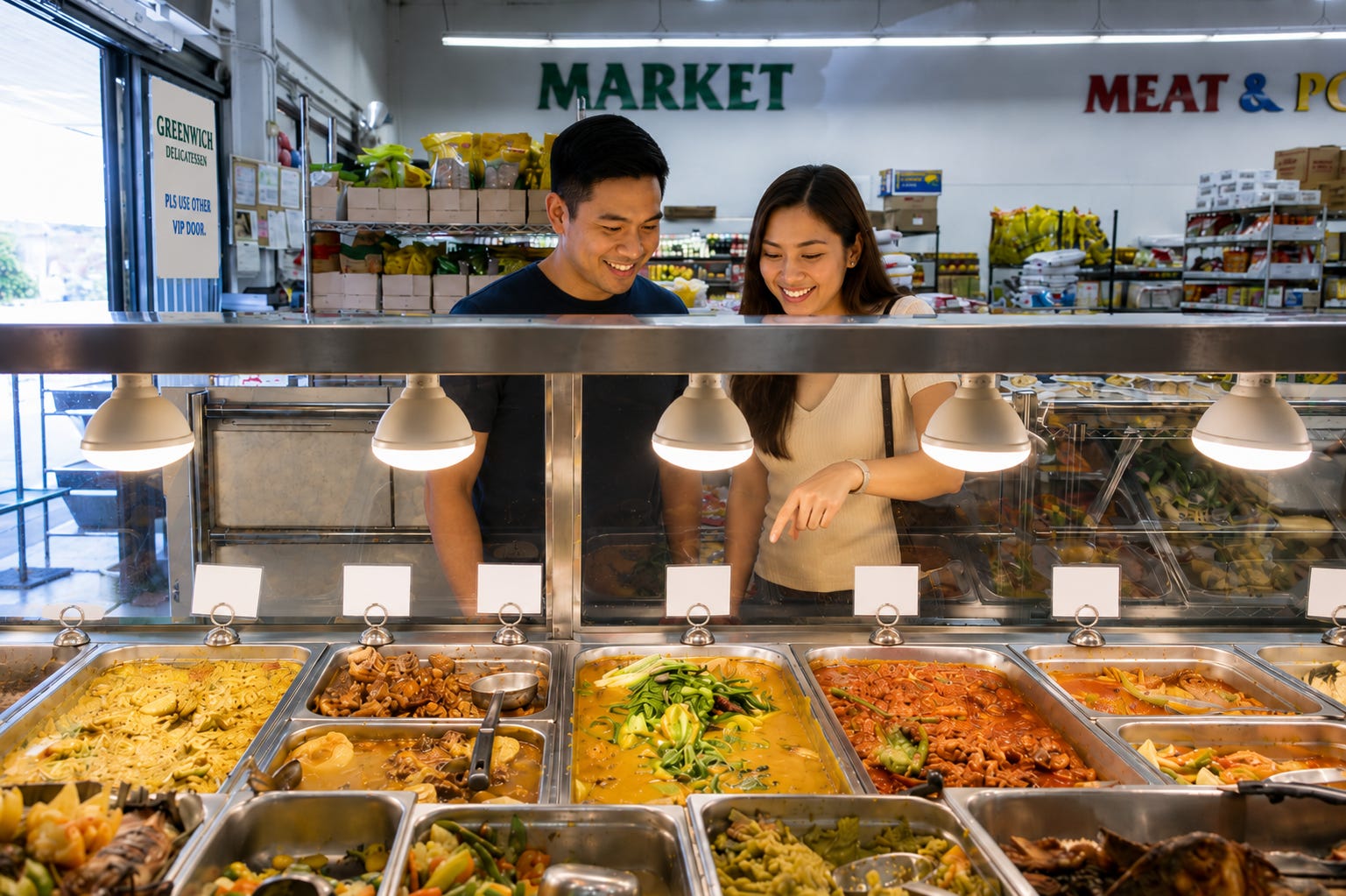
If you are looking to sample the absolute best and true home-cooked food in the Philippines, you need to walk the streets, yes, under the sweltering heat of the sun, and stop when you get a whiff of garlic, soy sauce, and vinegar frying in a hot pan.
The streets are lined with many carinderias, mom-and-pop eateries affectionately known as turo-turo.
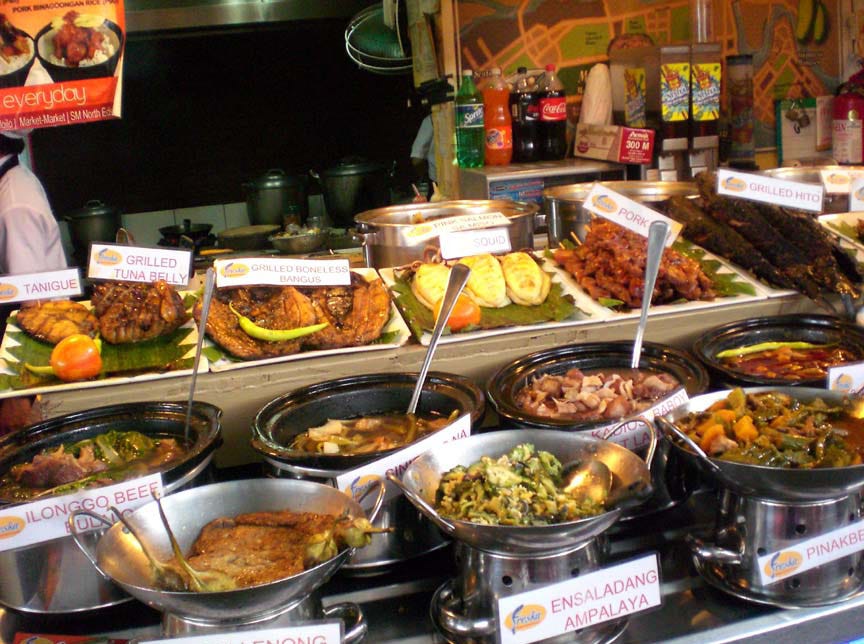
Turo-turo literally translates to “point-point,” and that is exactly how you order. It’s the most universally understood menu system on the planet. You walk up to a lineup of old, slightly dented aluminum pots where the smell of delicious, hot, savory dishes wafts.
You peek inside those pots and literally point your finger at what you fancy. If you’re practicing your Pinoy non-verbals, just use your mouth to point to what you like. The turo-turo is basically the Filipino fast food, but instead of burgers and fries, you’re getting hours-long braised stews, crispy pork, and soups that will cure whatever ails your soul or heart - at least, in that moment.
Here is everything you need to know about surviving, thriving, and eating at a local turo-turo.
What to Expect
A standard carinderia isn’t going to win any interior design awards. Usually, it’s just an open-air extension of someone’s garage, or a small makeshift stall with a tin roof to keep the afternoon rain off your food.
There are no printed menus. What’s available is what is in the pots and depends entirely on what the cook (usually the family matriarch, who will probably call you “anak” or child) found fresh at the wet market at 4:00 AM.
You’ll watch as the owner or a relative ladles a massive scoop of your chosen dish and serves it to you next to a mountain of white rice on a plastic plate. You grab your utensils from a plastic cup with hot water.
You’ll pay a few pesos and some coins, perhaps rarely more than two or three dollars, and grab a seat on a plastic monobloc chair at a table covered in a floral oilcloth. Makeshift fans hover above you - it’s hot, it’s loud, and occasionally, a friendly dog or cat might be sleeping under the tables, and it is absolute perfection.
The Jollijeep
If you find yourself in Metro Manila—specifically the towering financial district of Makati —you’ll run into a very specific mutation of the turo-turo: the jollijeep.
Jollijeep is a mashup of “Jollibee” (the massive Filipino fast-food chain) and “jeepney” (the iconic local vehicle). Back in the day, these were real, working jeepneys parked on the sidewalks serving lunch to office workers. They drive away when the offices close, the workers go home, and park in the exact same spot the next day, before office workers hike up to their office buildings.
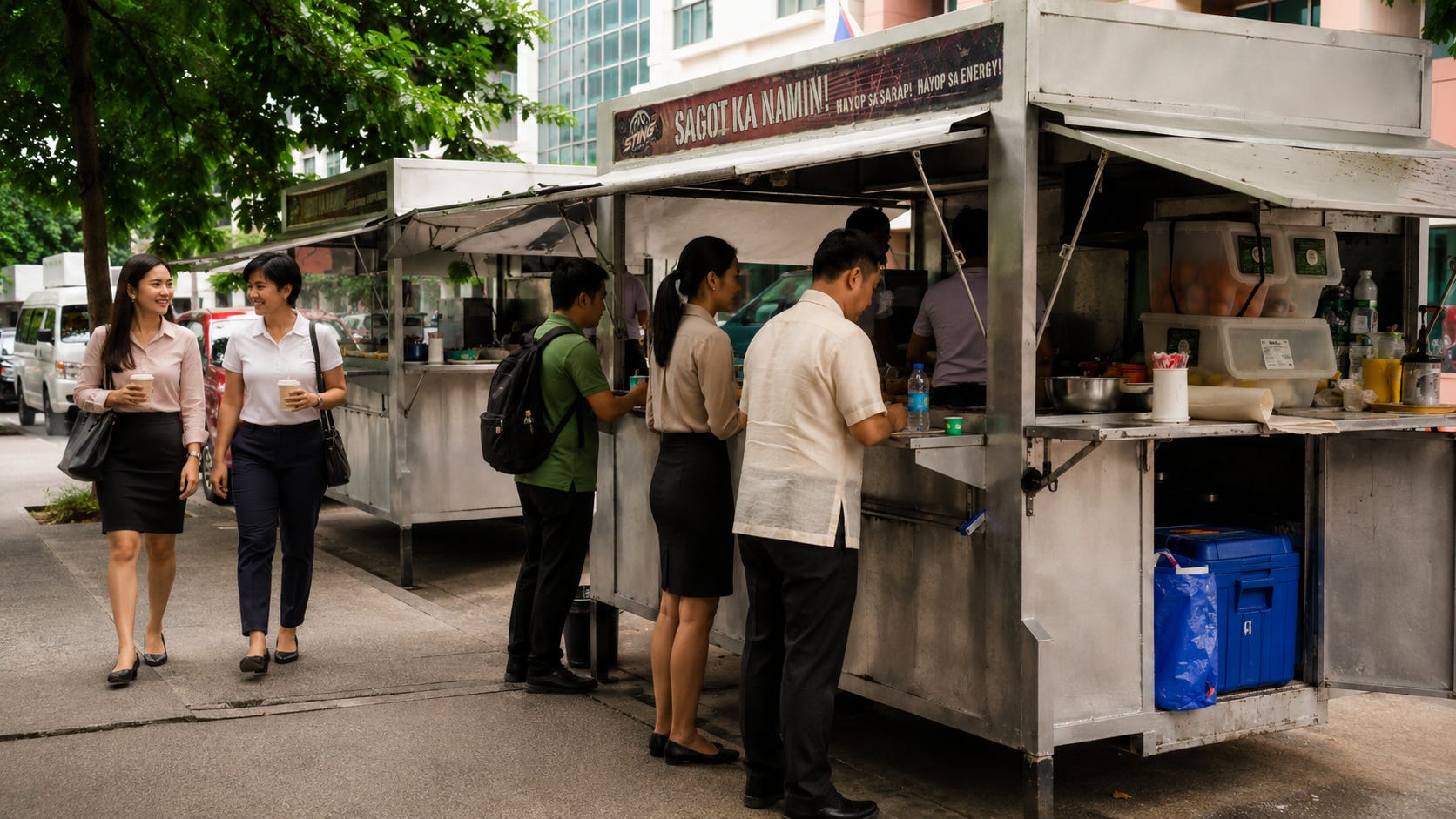
Today, city rules have forced them to upgrade to identical silver stainless-steel stalls, but the heart and soul are exactly the same.
When you stand by a jollijeep, especially around noon when employees and workers alike take their lunch break, you will see a good cross-section of the populace. You have bank executives in crisp suits standing shoulder-to-shoulder with construction workers, call center agents, and taxi drivers, all sweating it out for a plate of inexpensive, incredible food.
What You Should Point At (The Must-Haves)
When the lids come off those pots, the variety of dishes can be daunting. Here are a few that you shouldn’t miss:
• Adobo: This is the universally known Filipino food that is authentic Pinoy. You can’t leave the country without eating this. It’s usually pork or chicken, braised in soy sauce, vinegar, garlic, and black pepper. It’s salty, tangy, savory, and incredibly tender.
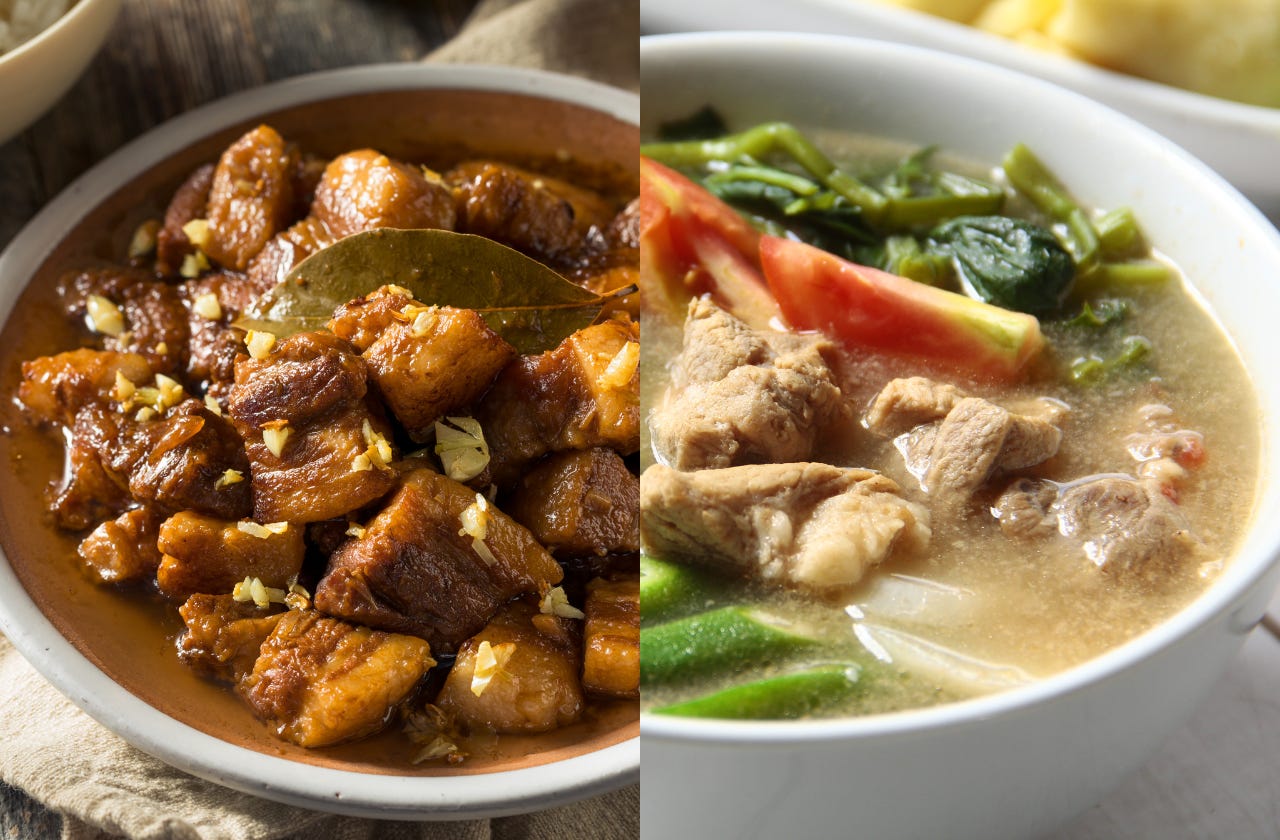
• Sinigang: It doesn’t matter that it is a boiling hot day or a cold rainy one; locals reach for this hot, sour soup. Sinigang gets its face-puckering sourness from tamarind. It’s usually loaded with pork belly, water spinach, and eggplant. The broth is easily one you will remember for a long time.
• Bicol Express: Since I’m writing this from Naga City, I have to give this dish the biggest credit. It looks unassuming in that it doesn’t look flavorful… But the bite-sized pork simmered in rich coconut milk, shrimp paste, and chili peppers is enough to make you sweat. The warm coconut milk tricks you into thinking it’s mild, and then the heat slowly creeps up on you. Warning: this will make you reach for more and more white rice.
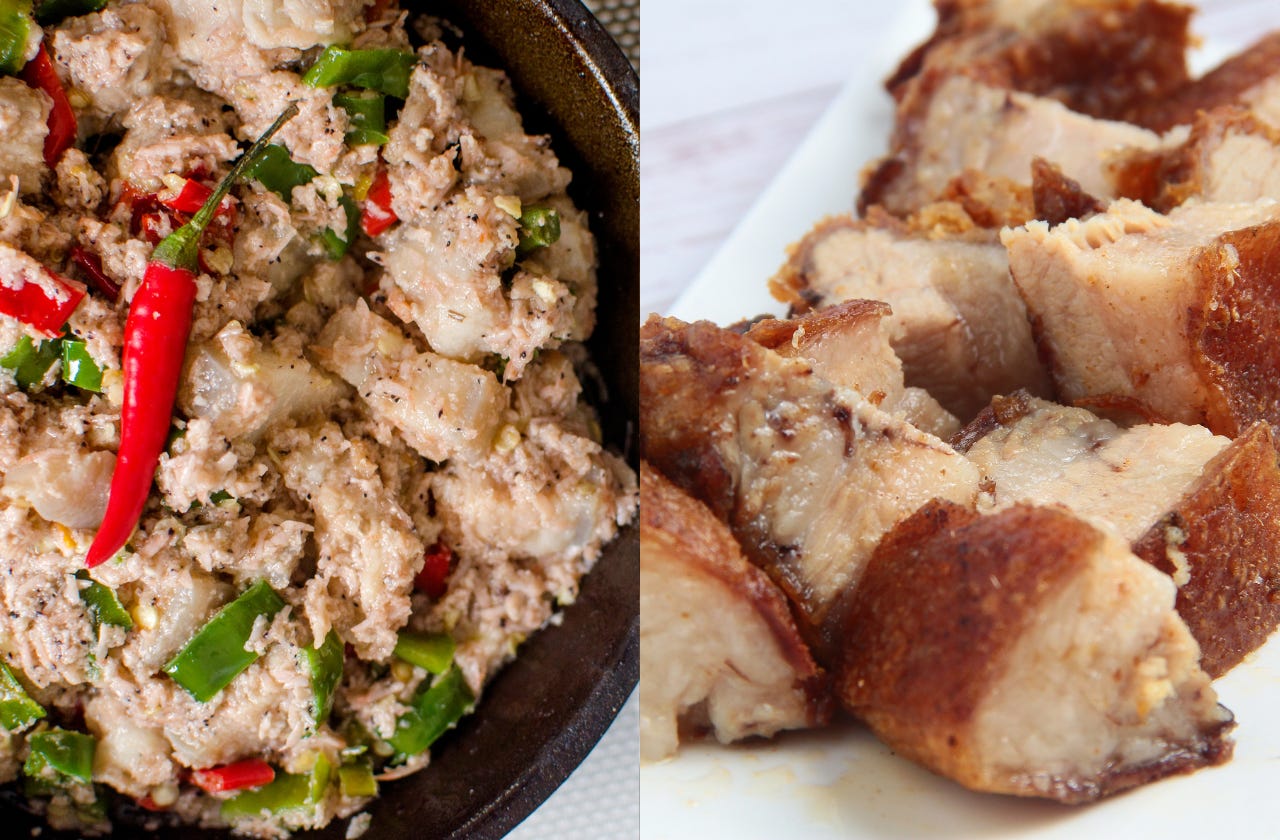
• Lechon Kawali: The word, Lechon, is derived from the Spanish leche, meaning milk, but refers to the suckling pig that’s roasted with herbs and spices to a crisp. In contrast, Lechon Kawali is pork belly boiled until it’s soft, then dried out and deep-fried until the skin shatters when you bite into it. Dip it in the sweet liver sauce they give you on the side (Mang Tomas Sarsa) and forget about your cholesterol for the day.
The Rules and Rituals in the Turo-Turo
Eating at a turo-turo comes with its own set of rules and rituals. The most important one is the sawsawan (dipping sauce) station.
Filipinos do not believe that the cook has the final say on how a dish tastes. On your table, you’ll find bottles of soy sauce, spiced vinegar, maybe some fish sauce, and calamansi (tiny, super-sour citrus fruits, our local version of lemon or lime).
You are entirely expected to mix your own little saucer of dipping sauce to customize your meal. Pork is too rich? Dip it in vinegar. Soup needs salt? Add fish sauce.
Also, prepare the rice. Rice isn’t a side dish here; it’s the main event. The stews and meats at a turo-turo are cooked aggressively—extra salty, extra sour, extra savory— specifically so you can eat a tiny bite of meat with a massive spoonful of rice.
If you want sabaw or soup stock from boiled bones of chicken, pork, or beef, you are expected to ask. It is free, so you can pour it lavishly over your rice for a super-delish meal.
Finally, don’t be shocked if you see people eating kamayan-style: eating with bare hands. If you’re feeling brave, wash your hands at the little sink in the corner and give it a try.
Locals will swear that the food actually tastes better this way. It takes a while to learn how to scoop the rice with just enough of the dish, and bring it neatly into your mouth…but it is definitely worth the try because the locals are right. The food tastes better.
That’s maybe because everybody sheds off their titles and VIP persona in a turo-turo. You’re just like every other hungry Pinoy. Nothing beats the freedom of satisfying your hunger using your hands.
Eating at a turo-turo isn’t just an inexpensive way to satisfy your hunger. It is the way to know the rich flavor of the Philippines and its cuisine. Zero pretense, massive flavors, and an open invitation to sit down and eat like a local. Just point with your finger (or with your puckered lips), pay, and dig in!