


There is a specific, irreplaceable comfort in waking up to the smell of toasted flour, yeast, and melting sugar. For generations, the neighborhood bakery—affectionately known as the panaderia—has served as the unofficial alarm clock for local communities.
Long before the sun fully peaks over the horizon, bakers are already covered in flour, pulling wide metal trays of golden-brown treasures from massive, well seasoned ovens. It is a daily ritual that quietly weaves the community together.
But time marches on, and the landscape of these beloved institutions is changing. While the hunger for our daily bread remains constant, the way we experience it has fundamentally changed with the times.
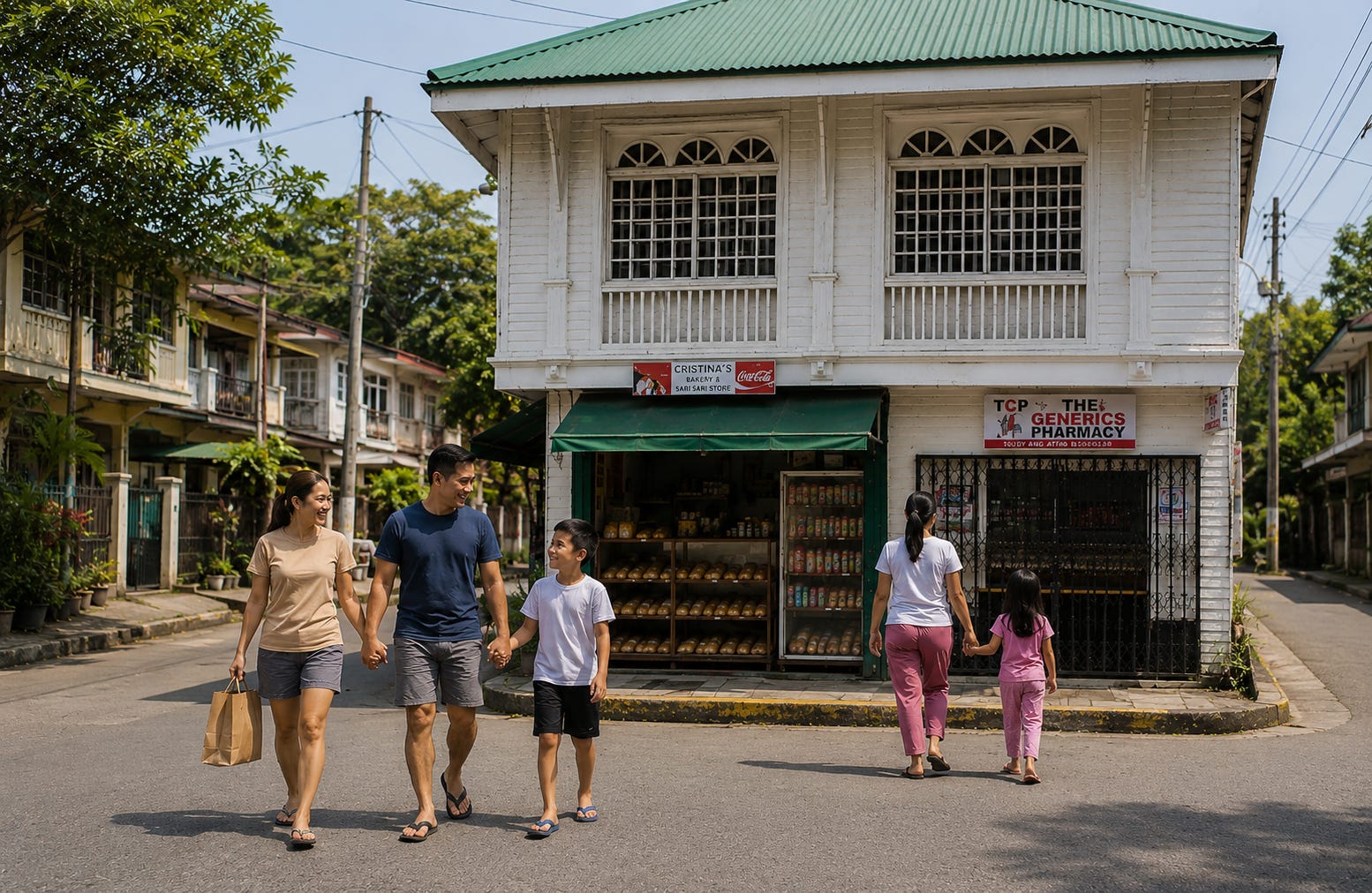
When I was growing up here, neighborhood bakeries were everywhere. Every street corner claimed one, guaranteeing that no home was ever more than five minutes away from fresh bread.
This was the geography of my childhood. I memorized where my friends lived based on the bakeries at the ends of their streets. These shops didn’t dabble in retail like the local sari-sari stores; they were purists that exclusively sold bread.
Where the Day Began
In the early mornings, the bakery served as a social anchor for the entire neighborhood. The trip was a daily excursion. Still half-awake, I would walk down the street in my slippers with my dad, feeling the cool morning breeze.
We would join the quiet stream of neighbors all heading to the same spot. I would listen to my dad greet the other fathers, briefly catching up on the news as we patiently waited in line.
When our turn came, my father would hand over the blue two-peso bill. The baker would scoop eight pieces of pandesal into a thin brown paper bag, grab the top corners, and flip the bag to seal in the heat.
My memory can still smell freshly baked bread. It was heavenly. That bakery was a rock of permanence. It was a testament to the simple joys of life and community ties.
The Bread That Raised Us
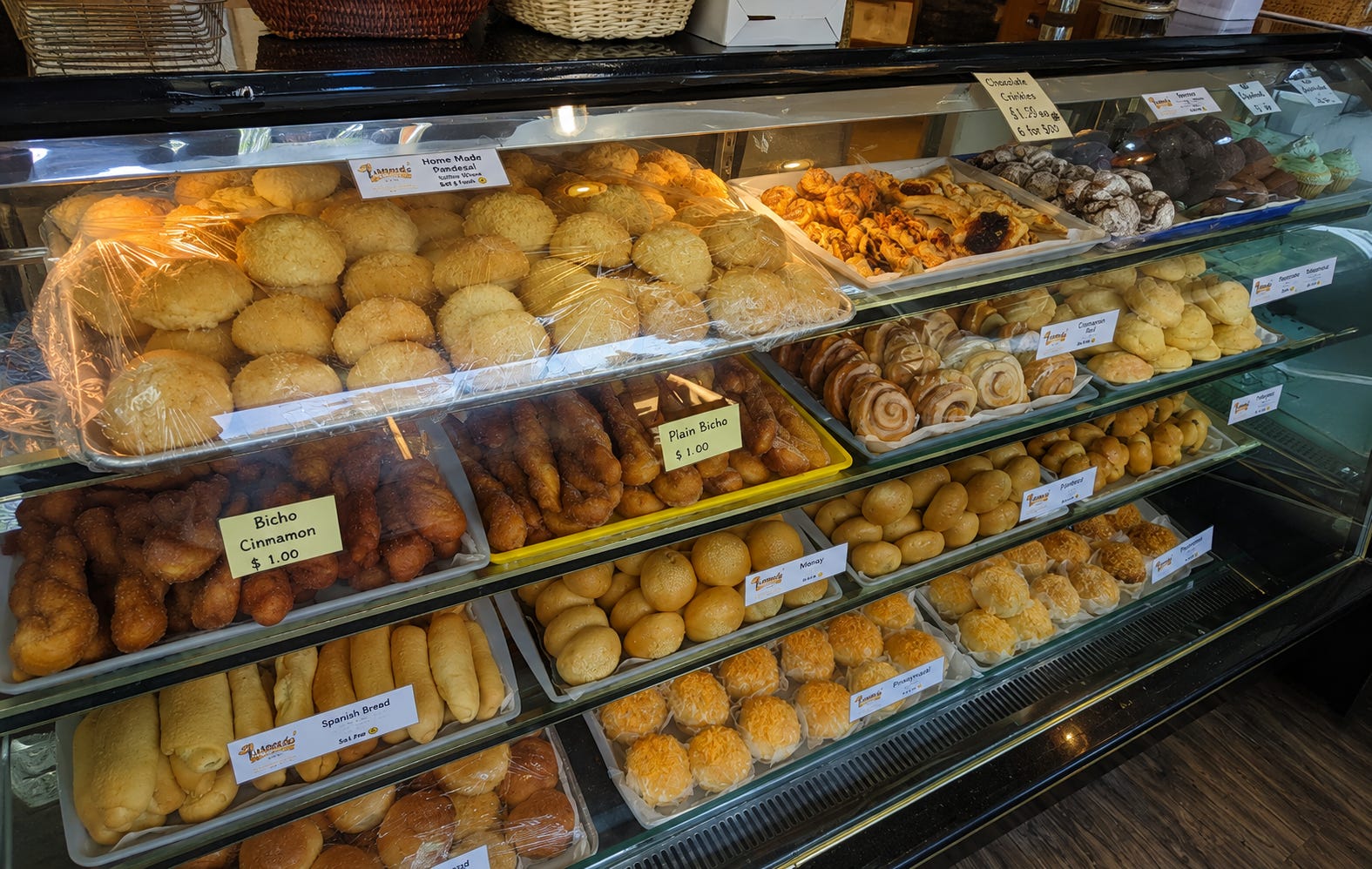
The visual centerpiece of any old-school bakery was the wooden display cabinet fitted with sliding glass panes. Because the bread was pulled straight from the fire and placed directly into the case, the inside of the glass was perpetually fogged with warm condensation. Wiping it away revealed a beautiful, chaotic arrangement of baked goods.
The types of bread available read like a cultural heritage list of comfort food:
The Spanish Bread. These were soft, pillowy rolls generously slathered with a sweet, buttery, sugary paste, rolled up into golden logs.
Pan de Coco - These were dense, round buns that, when cracked open, revealed a rich, sweetened center of shredded coconut. Oh, this was my favorite. I especially loved the ones that were toasted a little brown, a little crispy on top.
Monay - Ah, these were heavy, slightly sweet staples with their signature split down the middle, sturdy enough to hold their own against a steaming mug of coffee.
Pinagong - Traditional, heavy-duty Filipino bread that’s rich, buttery, and distinctly milky. It is a lot different from the soft, airy rolls commonly found in modern pastry shops. This is a favorite for heavy afternoon snacks (merienda).
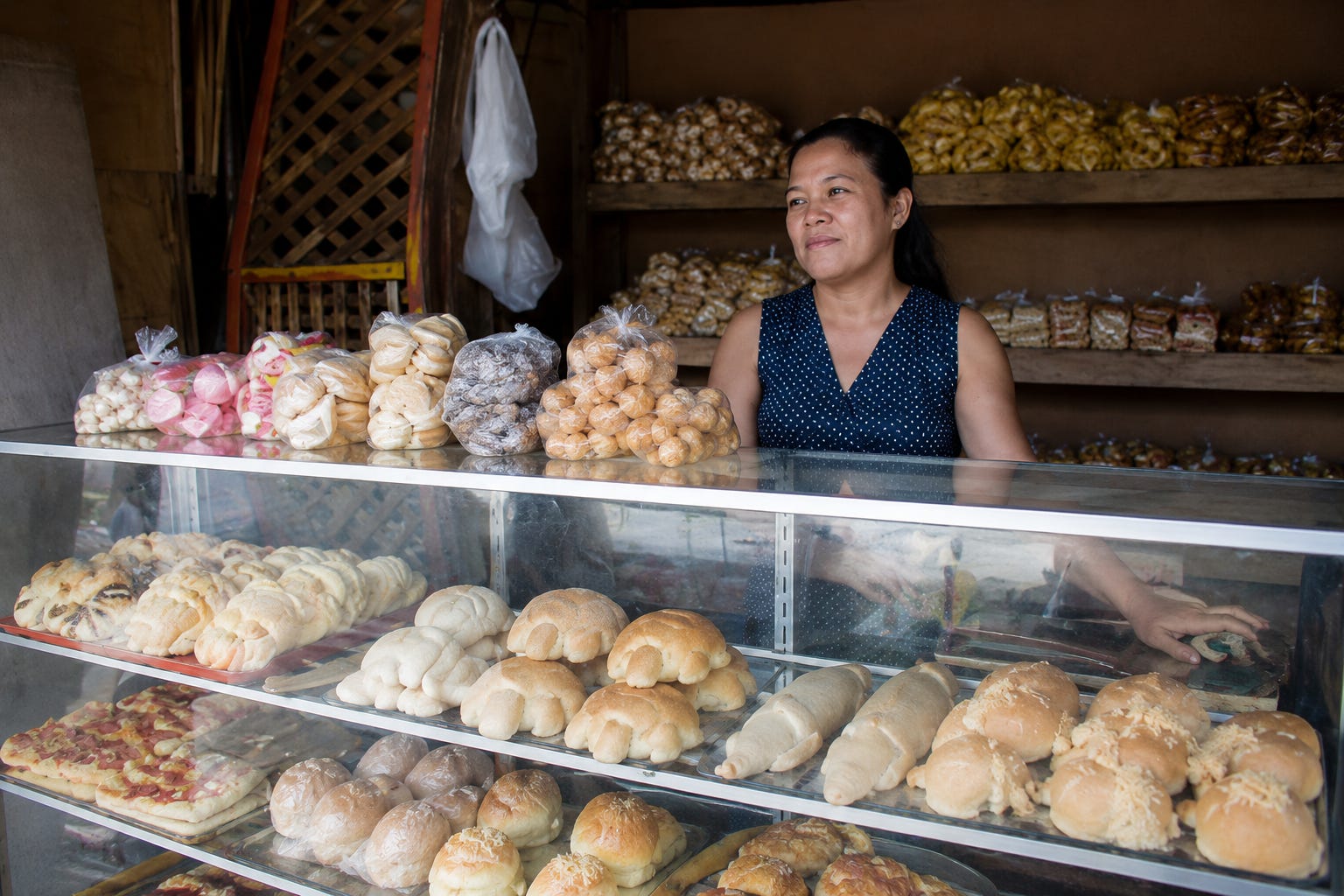
Maligaya - This is known by many other names… pan de regla, pan de pula. It is easily recognizable by its bright red or purple pudding-like filling, sustainably made from yesterday’s unsold bread.
Ensaymada - This is the local, accessible take on brioche, brushed generously with margarine and dusted with coarse white sugar.
Pan Legaspi - The bread that’s easily recognizable by its shape, which often resembles a rustic heart or a thick, heavy monay with a deep, deliberate slit carved across the top. Despite its name, Pan Legaspi actually found its footing in Naga City. It was heavily popularized in the late 1960s by the legendary Romero’s Bakery.
Pandesal - Literally means bread of salt. No panaderia is worth its salt without the classic pandesal. The national breakfast staple! Pandesal has a slightly crisp, dusty exterior, and inside it is unbelievably soft, hot, and dense. That traditional pandesal was filling. It had weight. It was dense. It had character.
Fast forward to the present, and I still see a few of those traditional neighborhood bakeries, but they are no longer frequented by neighbors in the early mornings. I am not sure when we started losing them, but they no longer mark the corners. In its place are sari-sari stores that sell a little bit of everything. And they no longer serve as social landmarks.
The Bakery Comes to You
After the pandemic, delivery was a gamechanger for many businesses. If one cannot get to the panadería, the panadería goes to them. We woke up to a new phenomenon literally rolling into town. They are called “rolling bakeries.” They do not just deliver pandesal. They are impressively high-functioning mobile kitchens.
The rolling bakeries are customized baking contraptions attached to a motorcycle designed by enterprising bakers or entrepreneurs. Instead of walking to the bakery, the bakery now drives directly to your front gate, announcing its arrival with a distinct, rhythmic honking or a pre recorded jingle.
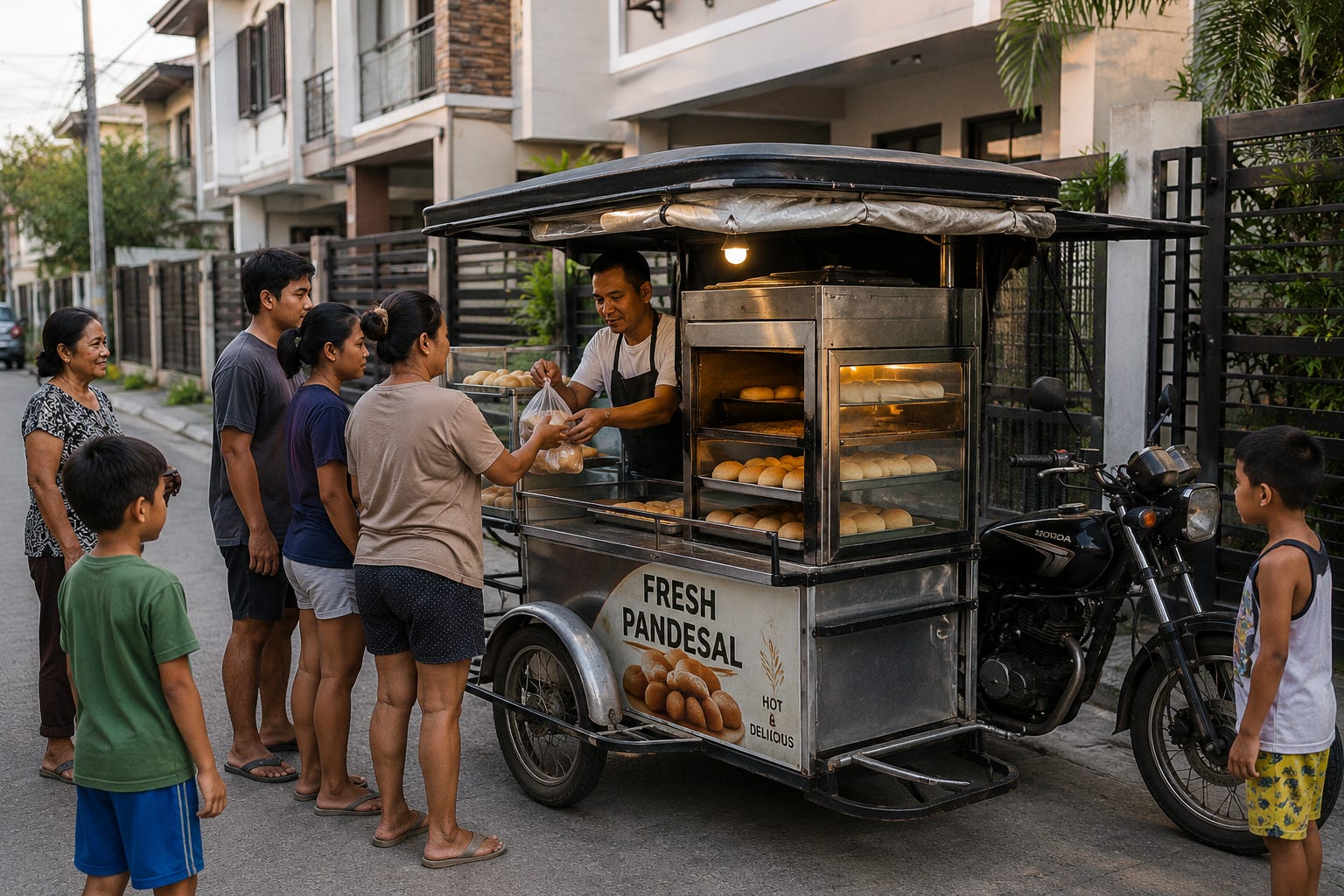
Inside these compact sidecars, the vendors carry ready-made dough. Right there on the street corner, they fire up their small mobile ovens and bake the pandesal on site. It is a marvel of modern street-food engineering, designed entirely around the modern demand for ultimate convenience.
What We Miss Along with the Bread
Yet, despite the bread being baked right in front of your house, the experience—and often the bread itself—is fundamentally different from those of the past.
In a traditional bakery, the pandesal was born in a massive, well-seasoned oven that held deep, intense heat, giving the bread its signature dusty, toasted crust and incredibly dense, satisfying center.
The rolling bakery, constrained by the limits of its small mobile contraption produces a pandesal that is undeniably fresh but often much airier and lighter, lacking the filling weight of the traditional recipe.
Nowhere is this shift in culture more obvious than in how the bread is handed to you. When you buy from the rolling cart, even hot out of the mobile oven, it is almost immediately packed into brown paper bags that quickly soften and get soggy from the pandesal’s heat.
The type of brown paper bag traps the heat aggressively, creating condensation that softens not only the bag but also the crust, making the delicate exterior slightly clammy.
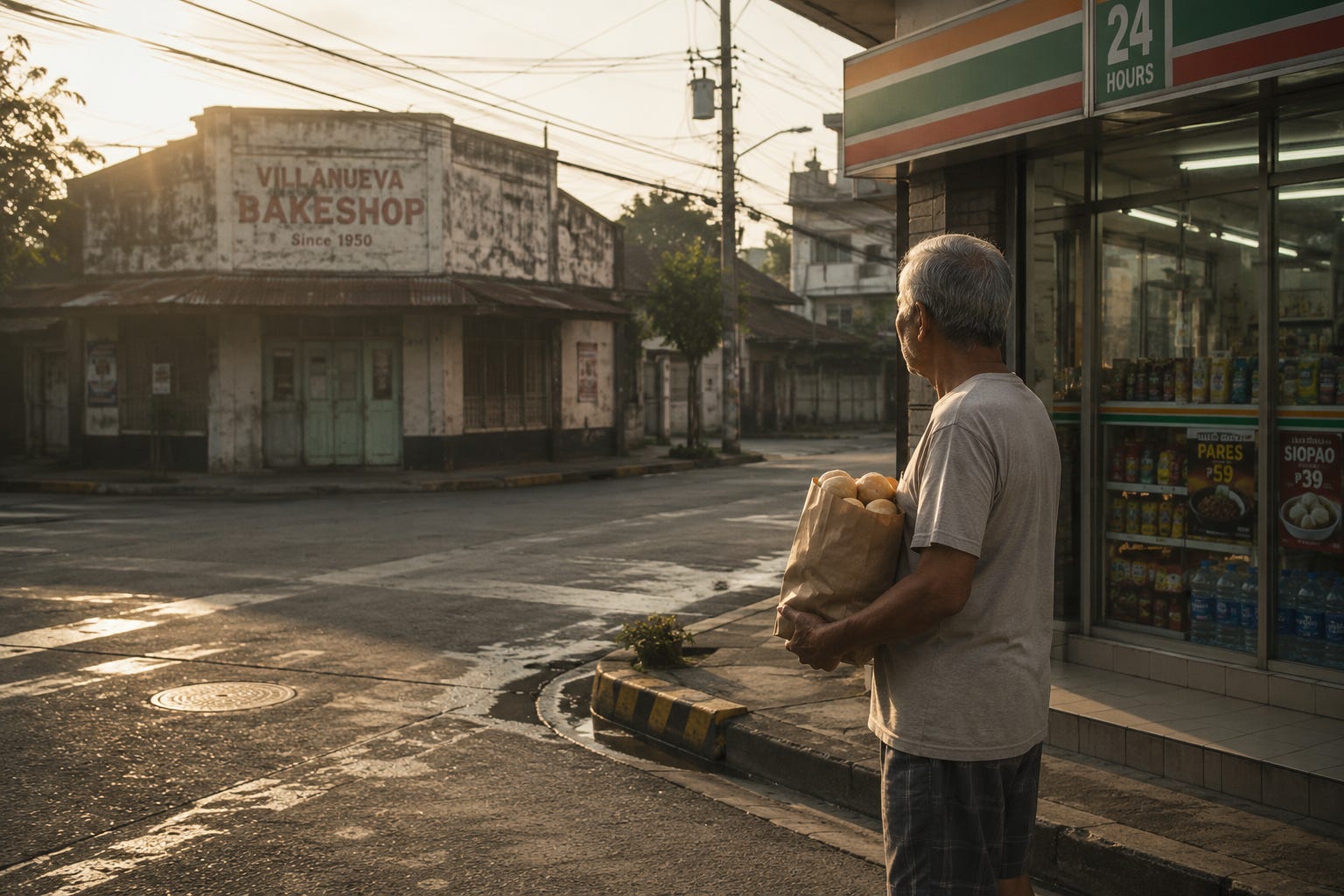
I now know that the magic of the old bakery was not just in the baking, but in the breathing. The bakers in the traditional brick-and-mortar bakery handed the pandesal in a humble, thin brown paper bag.
That paper was essential. With the effortless muscle memory of their trade, the baker would pinch the top corners and toss the bag quickly, flipping somersault, creating a tight, ear-like seal. It allowed just the right amount of steam to escape, keeping the pandesal hot and retaining its slightly crisp exterior.
Whenever I see a rolling bakery, I often wonder whether my nostalgia is driven by a craving for a heavy, traditional pandesal or simply the longing for a time when neighbors gathered at the corner panadería at dawn to patiently wait in line for freshly baked pandesal. Ultimately, the bread and the community were the same. I miss them both.
I’m so lucky to live near two Filipino bakeries in Chicago.