


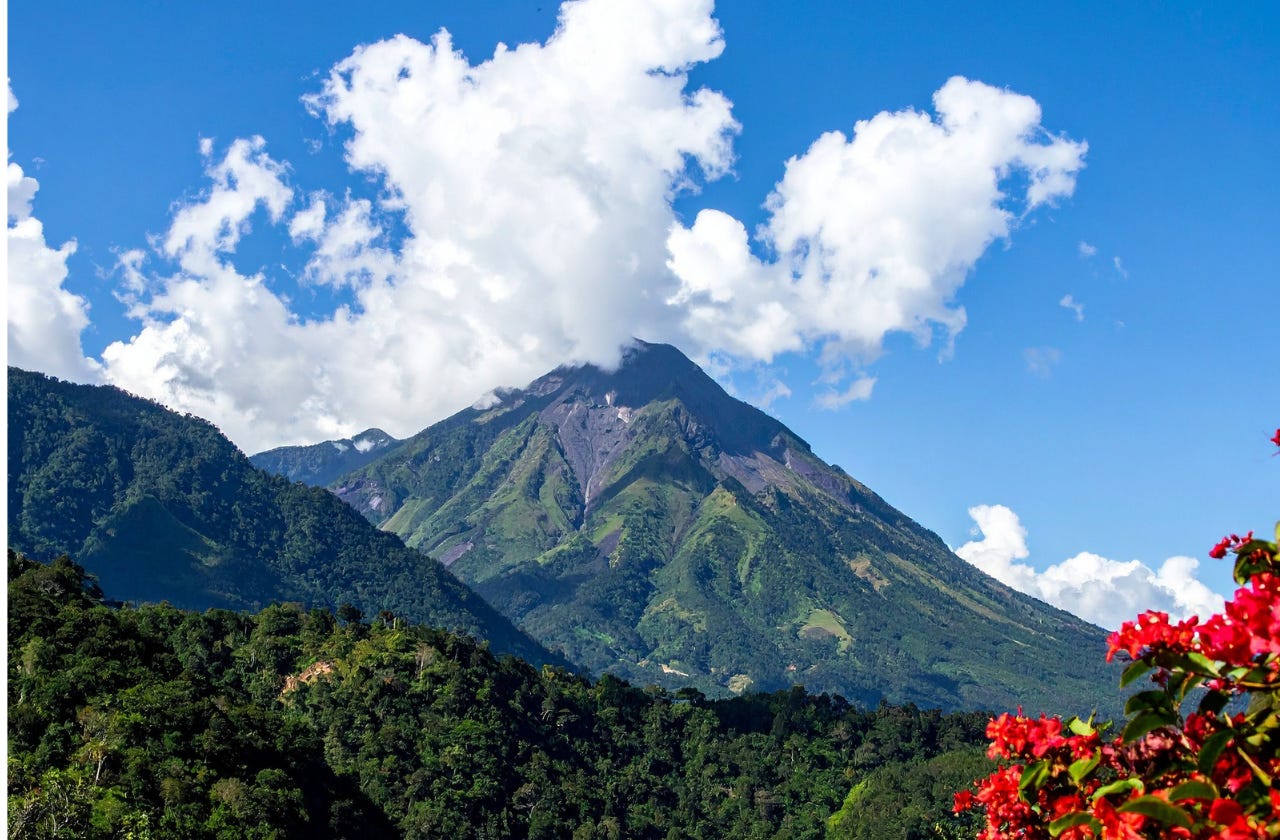
I have lived in the shadow of Mount Isarog for many years. It feels like a constant dialogue with a giant who never speaks but is always listening. In Naga, we are used to looking up at that jagged, emerald crown every morning, sometimes checking it like a weathervane to see if the day will be kind or if the clouds are “nagluluto” or cooking up a storm.
It is a constant in our lives, yet it is heartbreaking how many of us have come to treat it like mere wallpaper in our daily grind. For Nagueños who drank the mountain’s waters, it feels like we are losing a piece of our collective soul every time someone looks at those slopes and sees nothing but timber or a place for a quick selfie.
Mt. Isarog is not just a volcano to us. It is the silent ancestor that has watched over the peninsula long before the Spaniards came to our shores. It has listened to the stories of a people not written in history books.
The Forest
If you talk to the Agta-Tabangnon, the true children of the mountain, they will tell you that the forest is not empty. Over steaming bowls of kinalas in Panicuason, we reminisce about old stories of the mountain and the powerful spirits that reside there. I grew up hearing about the “mga nag-agui,” the guardians who moved through the mossy thickets whose footprints were never seen.
In the many times that I climbed up Mt. Isarog, our elder Bicolano guide never forgot to pause at the edge of the tree line to offer a whispered “tabi-tabi po.” These words form a sacred contract. We say “tabi-tabi po“ to ask permission to enter a place that is not ours, respecting the space of the spirits who stand guard.
We are reminded to enter quietly and humbly because the mountain can sense an arrogant heart. Step onto its slopes with pride and the trails are said to twist and trekkers lose their way through a thick mist that descends until the heart is finally humbled. It is the mountain’s gentle reminder of its power, and of the truth that we are no match against the earth’s ancient energy.
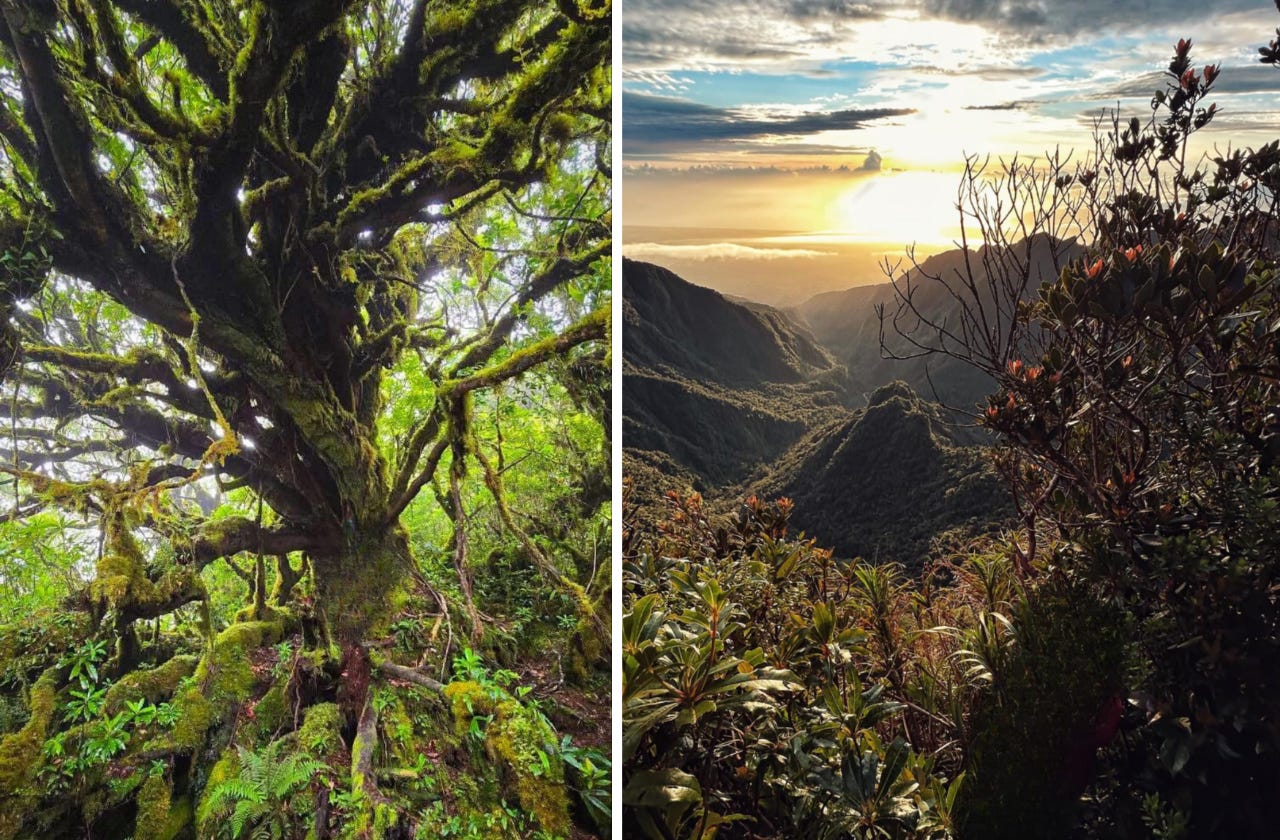
The Agta still talks of deities who once walked the jagged slopes, of spirits who governed the flow of the springs. We believe the mountain is a living, breathing creature. And when we hike up toward the “Patag“ or the “Panicuason“ trails, we begin to believe it, too. As the air thins and the temperature drops, we enter the magnificent realm we regard as the “biological island.”
Because Mt. Isarog stands alone, separated from other mountains by vast plains, life here has evolved in its own secret way. We have shrew-mice and striped rats that exist nowhere else on the planet, tiny residents of the mountain’s high-altitude fortress. There is also the Rafflesia, that strange, giant flower that blooms in the shadows, smelling of the deep, dark earth.
To a scientist, this is called high endemism. To a Bicolano, this is the mountain’s wealth, the treasure that our guardians are keeping safe from the greed of the world below.
A Mountain that Needs Protection
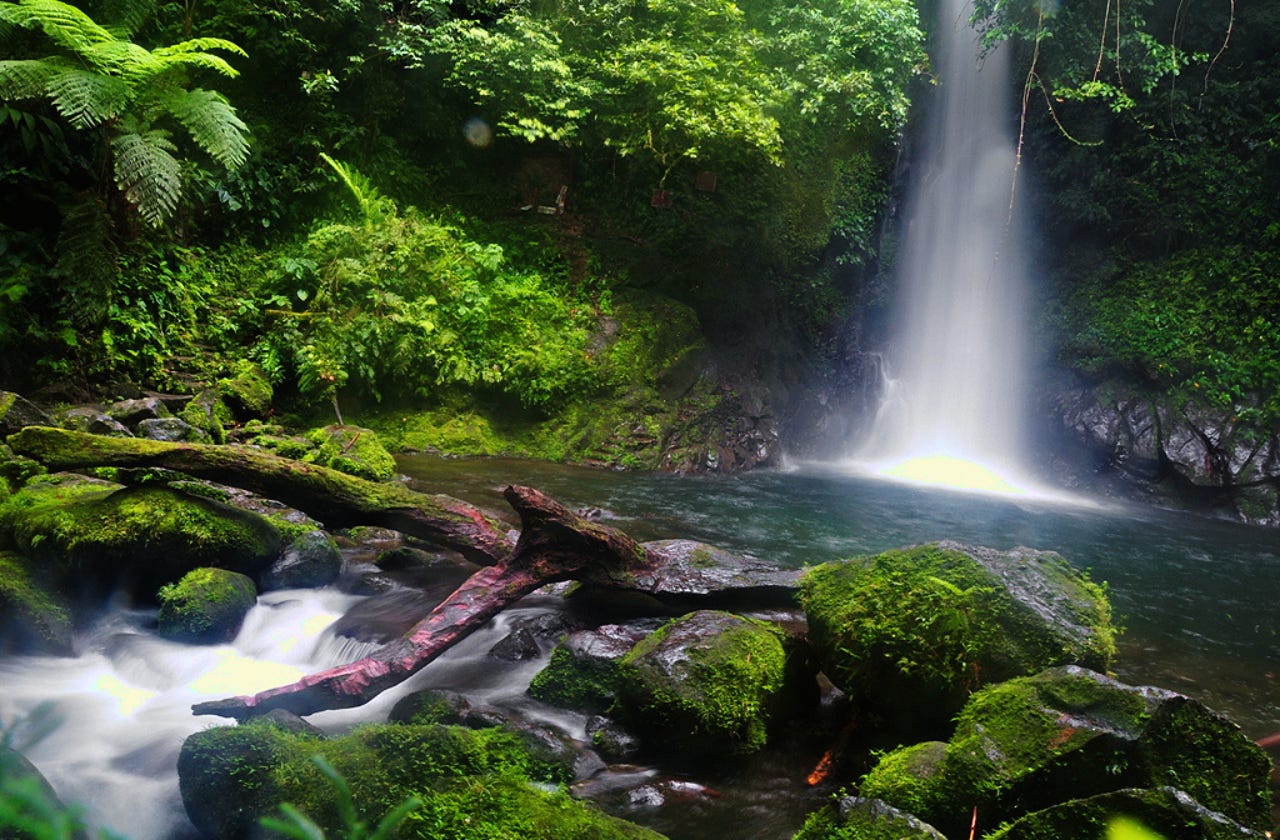
There is a sacredness in the water that flows from Mt. Isarog that no bottle from a grocery store can ever match. We call it the lifeblood of Bicol. The water travels through eons of volcanic rock, emerging in hidden springs and cold waterfalls such as Malabsay and Nabuntulan. It feeds the Naga River and the Bicol River; it is the water that nourishes the rice on our plates and the siling labuyo that fires up our Bicolano blood. To us, the mountain is a mother who never stops giving.
Today, however, as the urban lights of Naga and Pili creep higher up its base, and the chainsaws of illegal loggers bite into the “lungs” of our region, we are witnessing the quiet tragedy of our Mt. Isarog’s flailing health - its forests thinning, its springs quietly and tragically drying up. The “sweet water” we once bragged about risks becoming just a story we tell people.
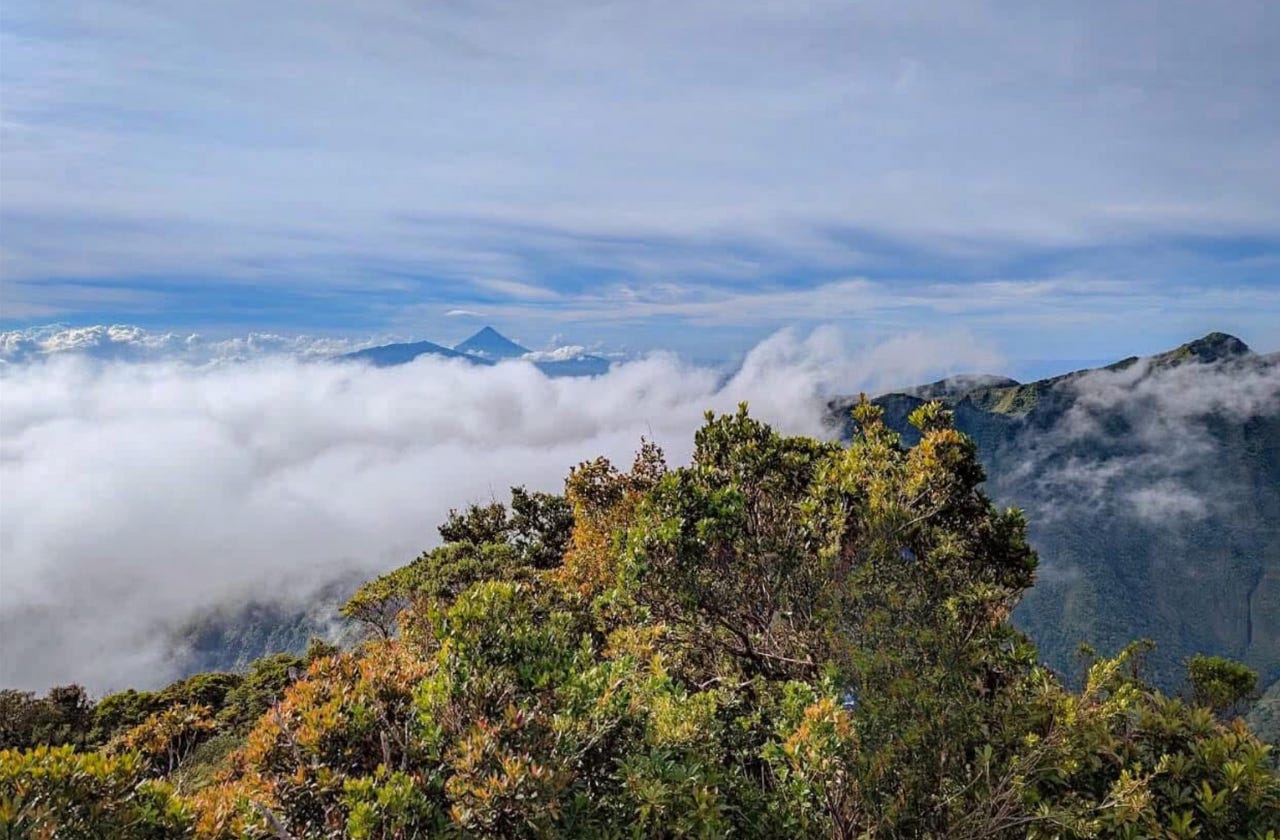
Modern hikers speak of “conquering” Mt. Isarog. But we, of the old, know better. We do not conquer this mountain. We survive it. If we are lucky, the mountain changes us. The climb is a grueling ritual of mud and steep ridges, where every step is a negotiation with the roots and the leeches (limatik). And when we finally stand at the summit and look down at the Bicol River winding like a snake toward the sea, we feel a deep sense of “pag-iriba” or belonging.
We realize then that it is not just a view we are looking at, but a perspective of the mountain’s protector. Mt. Isarog is ancient. It is slow. It is holy. It cannot be conquered.
New Guardians
I feel a love and respect for this mountain that I can no longer climb. We owe it to life-giving Mt. Isarog to remember the stories of the Agta, the rituals and silent prayers of those who walk its trails, and the lives of the shrew-rats in its rich bowels. We must remember that Mt. Isarog is the reason we still enjoy the cool breeze that rolls down into the city on rainy evenings. Forgetting the mountain means losing the anchor that holds us to this land.
As Bicolanos, we are defined by many things - among them, this gentle giant of a mountain. While Mt. Mayon gets the tourists and the postcards, Mt. Isarog holds our secrets and our survival.
It is time we stop treating Mt. Isarog as a backdrop and start honoring it as the sanctuary it truly is. We must be the new guardians, the ones who ensure that the “mga nag-agui“ still have a forest to wander in and that the children of Naga will continue to have a sacred mountain to look up to.
Because people who forget their mountain are people who have lost their way home, and Mt. Isarog is the only home we have that can touch the sky. Let us not be the generation that allowed the sacred mountain to fade into a mere memory, but the one that remembered how to listen to its silence and protect its heart.