


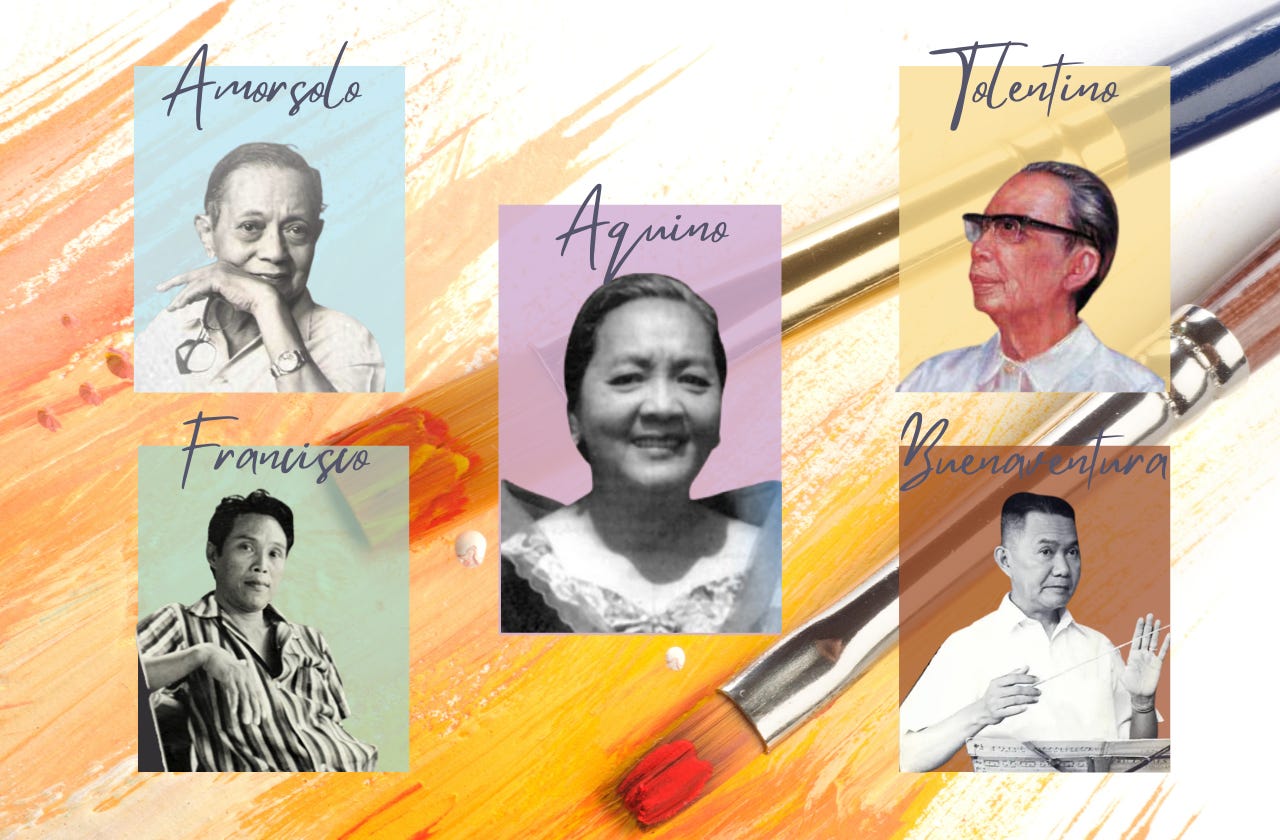
The contributions of artists, whether through paintings, sculpture, dance, and music can help shape a national identity and be part of a nation’s collective memory, one where a member of said nation can look at an artist’s work and associate it with the overall cultural landscape.
Countries give prestigious awards to exceptional artists, and the Philippines is among those. The Order of National Artists of the Philippines is awarded to Filipino nationals who have made significant contributions to the development of Filipino art.
These artists receive widespread recognition, their work is displayed in national galleries and is constantly referenced and used as a form of nation building and national identity, whether it’s through Aralin Panlipuran, Buwan ng Wika, or through various acts of patriotism.
Succeeding artists go on to procure inspiration from their works, continuing not only the artists’ legacy but transmitting their work to future generations. As of 2025, there are over 80 recognized National Artists who represent contributions in the categories of Music, Dance, Theater, Visual Arts, Literature, Film, Broadcast Arts, Architecture, and Allied Arts.
Artists continue to be granted this prestigious honor, contributing to the visual, music, and collective identity of a sovereign nation looking to carve its own image on its own terms.
A Few Notable Examples
There are many great examples of National Artists. The earliest awardees of this title continue to inspire future generations of Filipinos, their influence leaving an imprint into the collective national psyche.
Fernando Amorsolo is one such example.
His paintings capture idyllic rural scenes featuring rice fields, women in early 20th century Filipiniana, tinikling in a plaza in the shadows of a Spanish-era church, and other traditional landscapes.
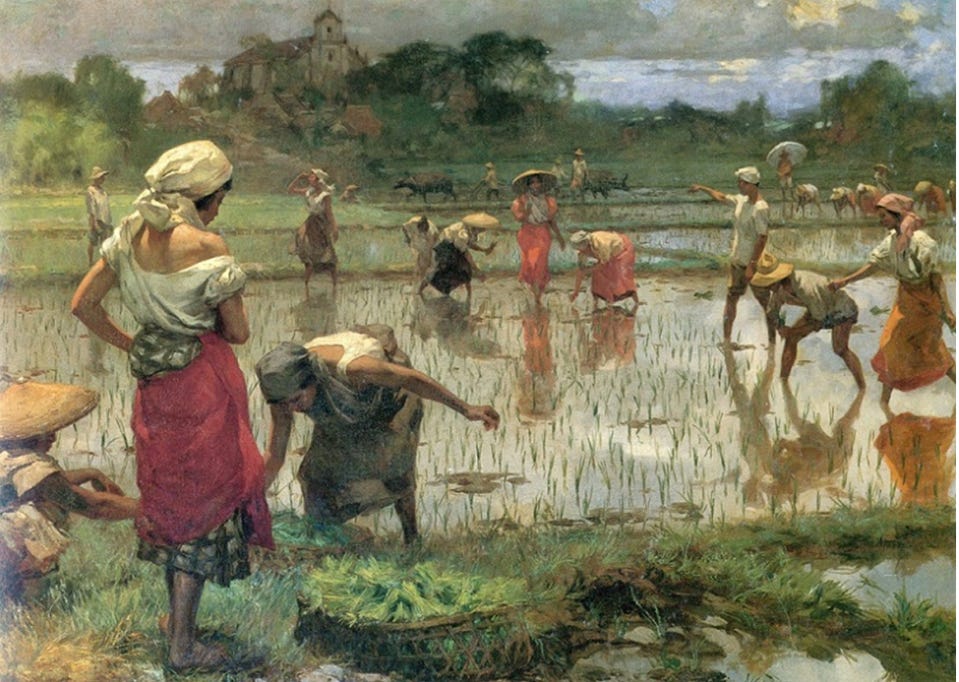
His work is seen as a form of defiance against American influence, as he painted scenes that obscured the influence America had at the time as the Philippines was an American colony.
In these paintings, Amorsolo sought to bring out the beauty of Filipino culture in a more untainted way, and through his works expressed Filipino nationalism.
Nicknamed the “Painter of Philippine Sunlight”, Amorsolo used bright colors with Impressionist influence as a way to instill the idea that this image of rural Filipino culture is poetic and worthy.
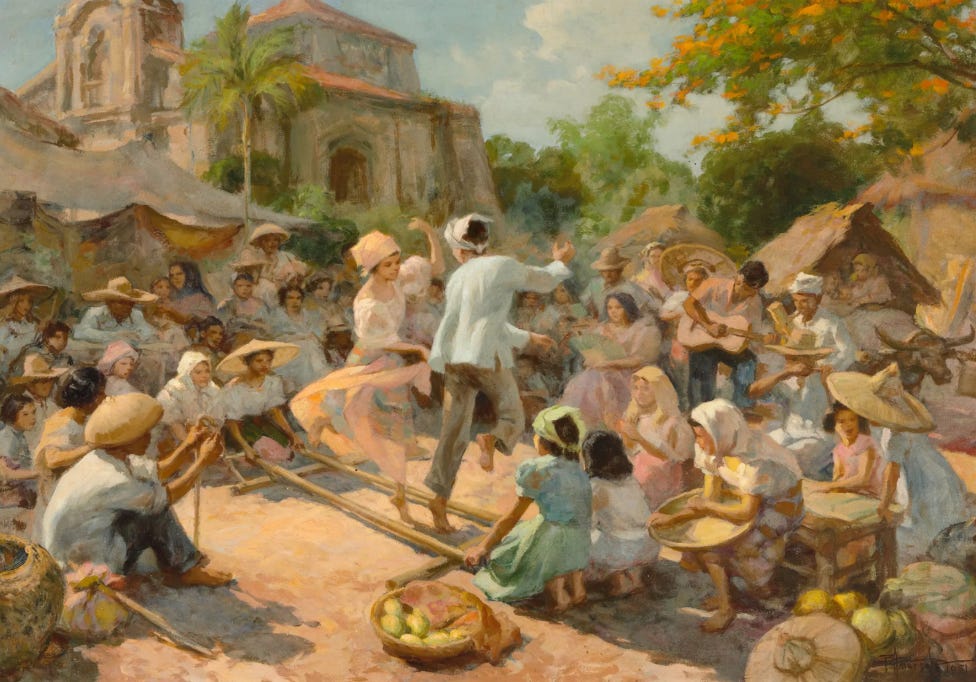
In his paintings, the issues of his time didn’t touch the serenity that was the Filipino way of life. His wartime paintings showed contrast, where pastoral scenes were replaced by somber subjects and dark lighting.
Muralist Carlos “Botong” Francisco from Angono, Rizal painted murals evoking a sense of modern nationalism as the Philippines had in his time recently acquired its sovereignty.
Some of his famous works include the First Mass at Limasawa, The Progress of Medicine in the Philippines, The Martyrdom of Rizal, and the Muslim Betrothal. He was also responsible for discovering the Angono Petroglyphs. His murals are on display in the National Museum of the Philippines.
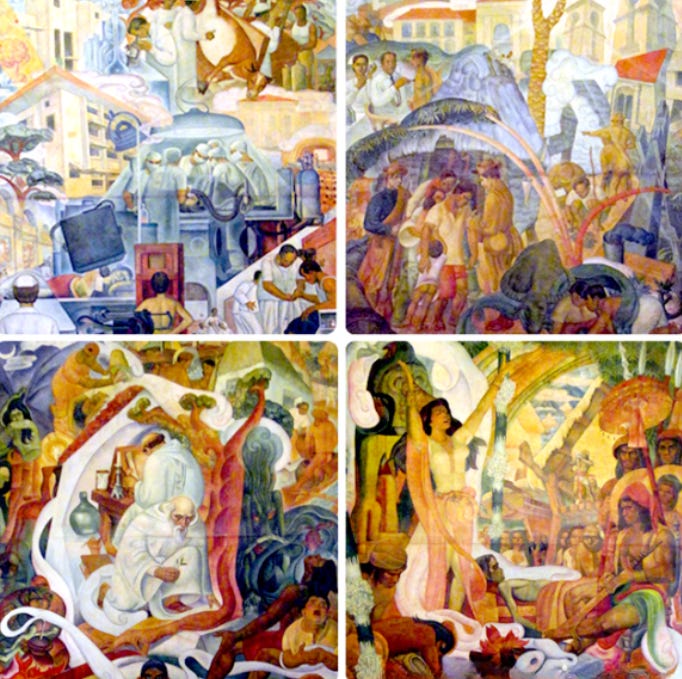
In his murals, he tells the story of a nation, its indigenous roots, its colonial history, and in the time of these paintings, a burgeoning nation trying to find its identity as a newly free and sovereign power.
Francisca Reyes-Aquino diligently recorded and taught local ethnic folk songs and dances during her academic career. Some dances she taught in her classes from her research included Tinikling, Maglalatik, Lubi-lubi, and Polka sa Nayon.
As a supervisor of physical education for the Board of Education, Reyes-Aquino used her position to facilitate the teaching of ethnic folk dances, helping push folk dances that were once confined to rural barangays into the national spotlight.
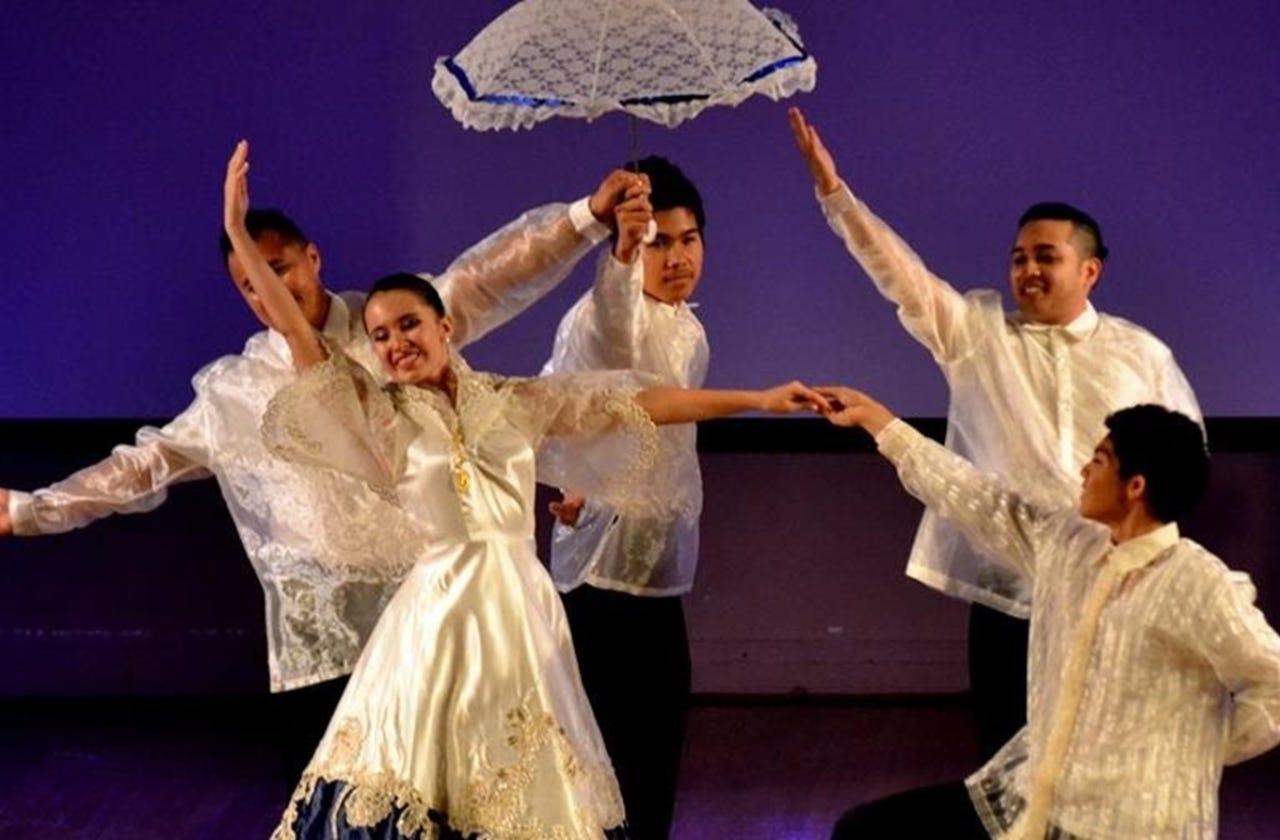
Due to her work, many popular Filipino folk dances have become a fixture in the national psyche, and are part of traditional celebrations around the country, in fiestas and in holidays.
Antonio Buenaventura composed many songs with the influence of ethnic folk songs he researched, while he accompanied Reyes-Aquino to record the many folk dances and songs of the many ethnic groups around the country.
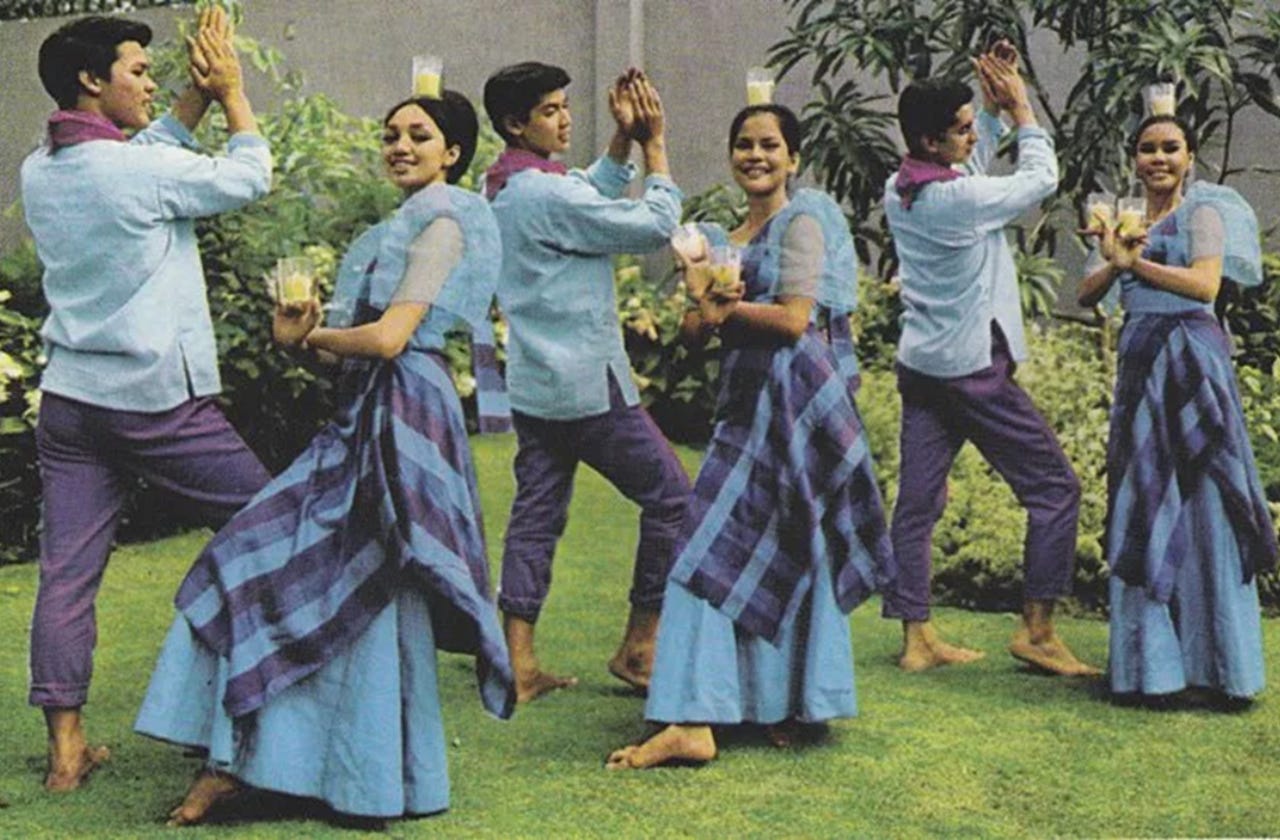
He composed the accompaniment for the folk dance Pandanggo sa Ilaw. Through combining ethnic sounds and Western compositions, Buenaventura was able to create the Filipino sound.
Through his work, the Philippines gained a national sound and a musical identity. Alongside Reyes-Aquino, Filipino folk music and dance became a part of the national landscape.
Conclusion
Through the works of so many talented artists, the Philippines has used these works to foster a sense of a national identity, a sense of belonging, and a direction towards a cohesive collective psyche.
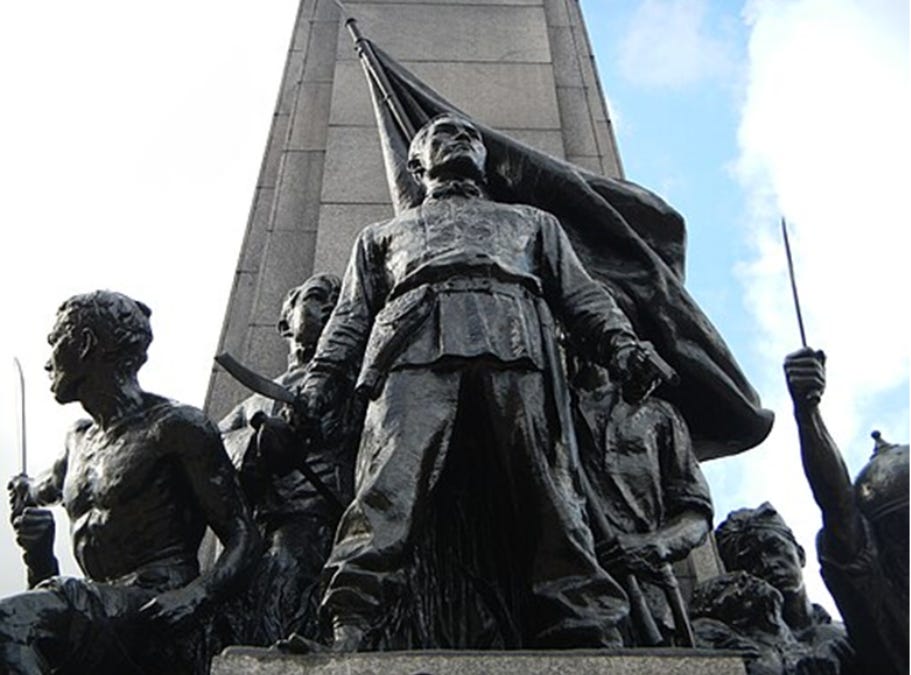
The works of these artists help nurture not only the artistic landscape but also strengthen a sense of patriotism through the use of symbols. The cultural markers of the Philippines on a wider scale can be traced back to the collective works of these awardees, as each of these artists contributed greatly to the collective identity of a nation forming its path in a world where national identity is a marker.